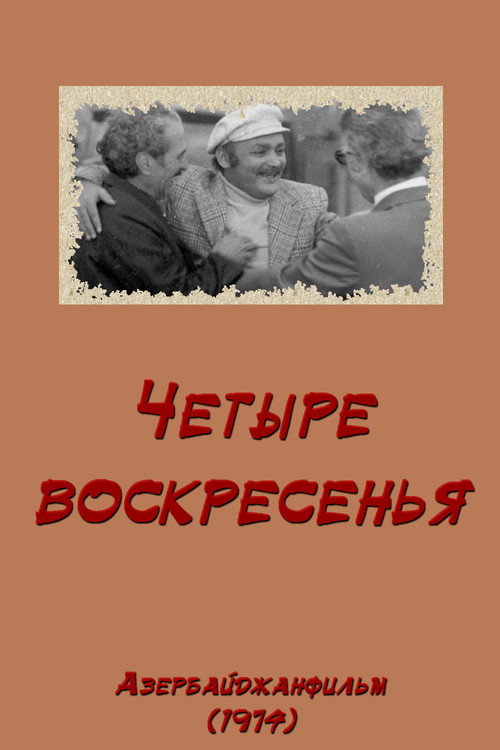
Four Sundays 1974
Four Sundays (1974) is a compelling Soviet drama that explores themes of friendship, sacrifice, and the enduring bonds forged in wartime.
Director: Shamil Makhmudbekov
Cast

Frequently Asked Questions
What is Four Sundays (1974) about?
Four Sundays follows former partisan fighters who reunite years after serving together in the Belorussian detached force during World War II. The film explores their friendship, shared trauma, and how their wartime experiences continue to shape their lives in peacetime.
Who directed Four Sundays?
The film was directed by Shamil Makhmudbekov.
Who stars in Four Sundays?
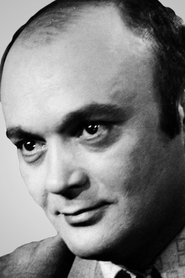
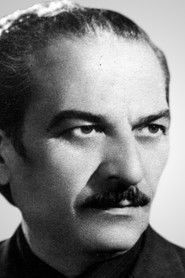
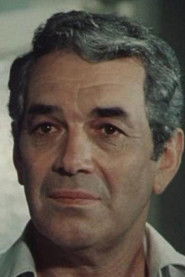
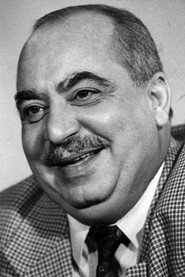
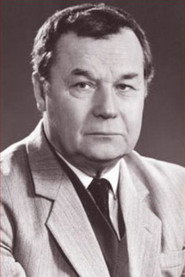
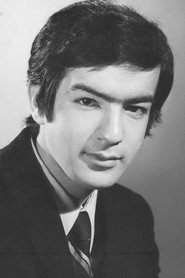
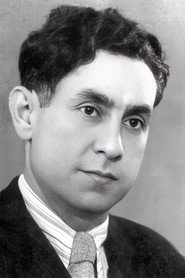
The main cast includes Hasanagha Turabov, Aladdin Abbasov, Tofik Mirzoyev, Yashar Nuri, and Yuri Sidorov.
Is Four Sundays (1974) worth watching?
With its focus on wartime camaraderie and post-war adjustment, Four Sundays offers meaningful drama for fans of historical war films. The unrated status suggests it may have mature themes, but the strong character relationships and historical setting make it worthwhile for serious cinema enthusiasts.
How long is Four Sundays?
The film runs for 133 minutes.
Four Sundays (1974) — Soviet War Drama About Partisan Reunion
Four Sundays (1974) is a compelling Soviet drama that explores themes of friendship, sacrifice, and the enduring bonds forged in wartime. Directed by Shamil Makhmudbekov, this historical war film draws from Huseyn Abbaszadeh's novelette to tell a powerful story of partisan fighters reuniting years after their shared struggles in the Belorussian detached force.
The film features strong performances from Hasanagha Turabov, Aladdin Abbasov, and Tofik Mirzoyev, alongside Yashar Nuri, Yuri Sidorov, and Telman Adigozalov. Set against the backdrop of World War II, Four Sundays captures the emotional weight of veterans confronting their past while navigating an uncertain present. The 133-minute runtime allows for deep character development and authentic portrayal of the post-war Soviet experience.
This war drama resonates with its honest depiction of camaraderie tested by time and circumstance. The atmospheric storytelling and historical context make it a significant entry in Soviet cinema, appealing to fans of character-driven war films.