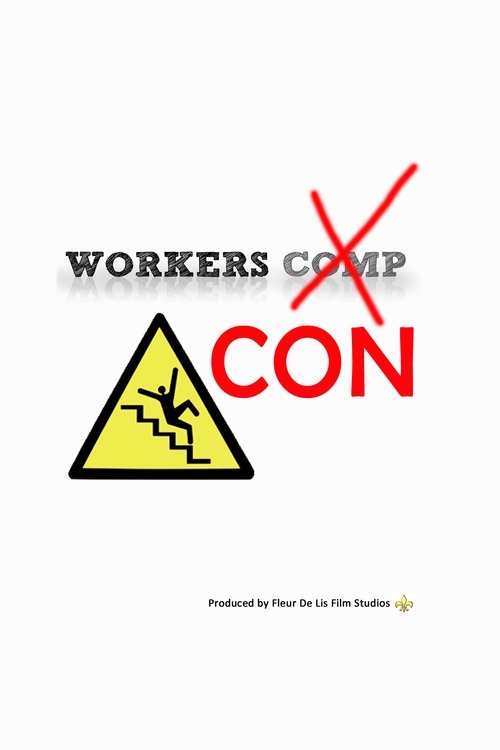
Workers Con 2017
Dive into the raw reality of Workers Con (2017), Julia Davis' biting documentary-drama that exposes the cracks in the worker's compensation system.
Director: Julia Davis
Cast


Frequently Asked Questions
What is Workers Con (2017) about?
Workers Con (2017) dives into the flawed worker's compensation system, showcasing how injured workers navigate a maze of bureaucracy that often feels stacked against them. The film blends real-life stories with dramatic tension, highlighting the personal toll of a broken process.
Who directed Workers Con?
Julia Davis directed Workers Con (2017), bringing her sharp eye for human stories to this unflinching documentary-drama.
Who stars in Workers Con?
The film features Julia Davis, BJ Davis, Alan Sagherian, Kurt LaJoie, and Michael Burgis in key roles.
Is Workers Con (2017) worth watching?
If you're interested in documentaries that blend real-life struggles with dramatic storytelling, Workers Con (2017) is worth your time. Its raw honesty and focus on systemic flaws make it a compelling watch for fans of the genre.
How long is Workers Con?
Workers Con (2017) runs for 98 minutes.
Workers Con (2017): A Documentary About Broken Systems — Full Movie Info
Dive into the raw reality of Workers Con (2017), Julia Davis' biting documentary-drama that exposes the cracks in the worker's compensation system. This isn't just a story about bureaucracy—it's a gripping exploration of human resilience and the cracks in a system designed to protect those who need it most. With Davis at the helm, the film blends drama and crime to uncover the flaws in a process that often leaves injured workers feeling betrayed. The atmosphere is tense and unflinching, blending personal stories with broader social commentary.
Workers Con (2017) follows the harrowing journeys of those caught in a convoluted system, where paperwork and red tape can feel like an additional injury. The documentary's strength lies in its honesty, revealing how the very institutions meant to support workers can sometimes become part of the problem. Through Davis' lens, the film becomes a stark reminder of the human cost behind policy failures.