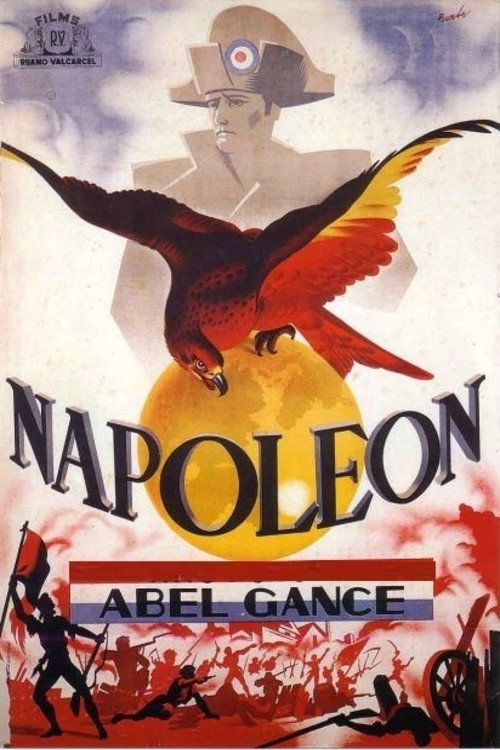
Napoléon Bonaparte 1935
Abel Gance's restored epic Napoléon Bonaparte (1935) transforms the rise of the French revolutionary leader into a dazzling silent-to-sound canvas.
Director: Abel Gance
Cast
Frequently Asked Questions
What is Napoléon Bonaparte (1935) about?
This sweeping historical epic follows the rise of Napoleon Bonaparte during the French Revolution, blending political intrigue, military strategy, and personal drama. The film traces his journey from a fiery young officer to the emperor of France, set against the backdrop of war and societal upheaval.
Who directed Napoléon Bonaparte?
Abel Gance directed Napoléon Bonaparte (1935), a filmmaker renowned for his innovative techniques and ambitious storytelling.
Who stars in Napoléon Bonaparte?
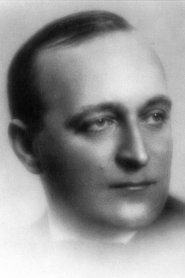
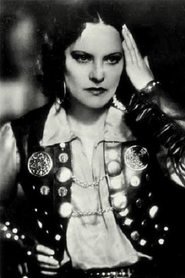
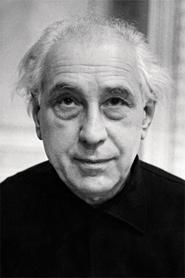
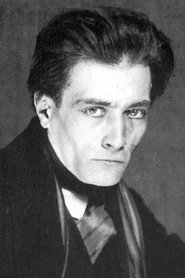
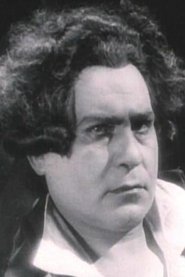
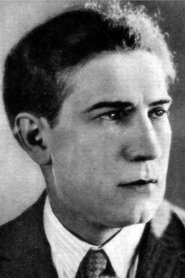
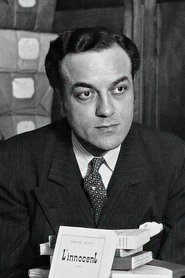
The film features Albert Dieudonné as Napoleon, with Gina Manès, Abel Gance himself, Antonin Artaud, and Edmond van Daële rounding out the principal cast.
Is Napoléon Bonaparte (1935) worth watching?
As a silent-to-sound technical marvel and historical drama, Napoléon Bonaparte is a must-see for film enthusiasts. Its groundbreaking visuals and thematic depth make it a standout in early cinema, though its runtime may challenge casual viewers.
How long is Napoléon Bonaparte?
Napoléon Bonaparte (1935) runs for 140 minutes.
About Napoléon Bonaparte (1935) — Abel Gance's Silent-to-Sound Cinematic Revolution
Abel Gance's restored epic Napoléon Bonaparte (1935) transforms the rise of the French revolutionary leader into a dazzling silent-to-sound canvas. This monumental drama blends sweeping battlefield sequences with intimate character moments, all bathed in Gance's signature use of triptych cinematography that splits the screen into vivid thirds. At its heart lies Albert Dieudonné's magnetic portrayal of Napoleon, capturing both his fiery ambition and fragile vulnerability against a backdrop of political upheaval and war. The film's grandeur is matched only by its technical daring, from its experimental early sound design to the breathtaking montage that mirrors the chaos of revolution itself.
Gance crafts an atmosphere where history feels alive, blending poetic realism with operatic intensity. Gina Manès adds emotional depth as Joséphine, while Artaud's unhinged performance as Marat injects raw energy into the narrative. Napoléon Bonaparte (1935) isn't just a biopic—it's a cinematic revolution, pushing the boundaries of what film could achieve in its early talkie era.