Bitter Melons 1971
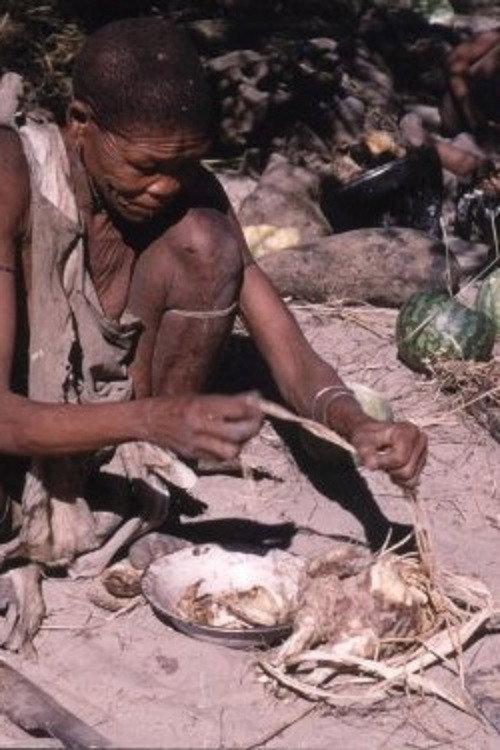
Bitter Melons (1971) offers a compelling glimpse into the lives of the /Gwi San people, capturing their existence in the harsh yet beautiful landscape of the central Kalahari Desert in what is now Botswana.
Director: John Marshall
Frequently Asked Questions
What is Bitter Melons (1971) about?
Bitter Melons follows the daily lives of the /Gwi San people in the central Kalahari Desert, documenting their survival strategies and cultural practices in one of Botswana's most arid regions. The documentary captures intimate moments of community life against the striking desert landscape.
Who directed Bitter Melons?
Director John Marshall captured this intimate documentary portrait of the /Gwi San people in the Kalahari Desert, using his anthropological background to create a respectful and insightful film experience.
Who stars in Bitter Melons?
The cast information for Bitter Melons is not available, as this documentary focuses on the /Gwi San community members themselves rather than professional actors.
Is Bitter Melons (1971) worth watching?
Bitter Melons provides valuable ethnographic insight despite lacking an official rating, offering a unique perspective on indigenous life in the Kalahari Desert. Its short runtime makes it accessible for viewers interested in documentary films about African cultures.
How long is Bitter Melons?
Bitter Melons runs for 32 minutes, making it a concise documentary experience that focuses on essential moments of /Gwi San daily life.
Bitter Melons (1971): Kalahari Desert Documentary — Full Movie Info
Bitter Melons (1971) offers a compelling glimpse into the lives of the /Gwi San people, capturing their existence in the harsh yet beautiful landscape of the central Kalahari Desert in what is now Botswana. Directed by John Marshall, this documentary presents an intimate portrait of a small community navigating the challenges of desert life, showcasing their deep connection to the land and their resilient spirit in one of Africa's most unforgiving environments.
Shot in 1955, the film serves as both ethnographic record and cinematic storytelling, preserving moments of daily life that illuminate the cultural traditions of this indigenous group. The 32-minute runtime delivers a concentrated but meaningful exploration of survival, community bonds, and humanity's relationship with nature. Through Marshall's lens, viewers experience the stark beauty of the desert setting while gaining insight into a way of life rarely documented on film.
This unrated documentary stands as a valuable historical document, offering audiences interested in anthropology, African studies, or documentary filmmaking a window into a unique cultural experience. The themes of adaptation, tradition, and environmental harmony resonate throughout, making Bitter Melons (1971) a noteworthy addition to collections focused on world cinema and indigenous narratives.