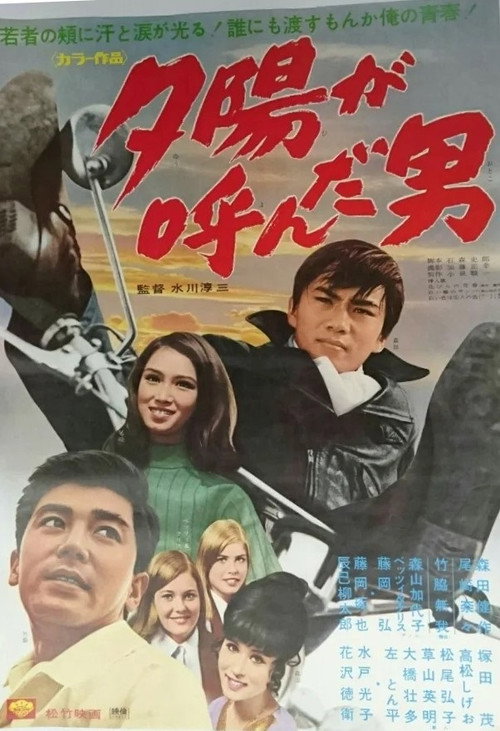
The Sunset is Calling Me 1970
Junzō Mizukawa's 1970 drama *The Sunset is Calling Me* paints a vivid contrast between two opposing views on life and purpose.
Director: Junzō Mizukawa
Cast

Frequently Asked Questions
What is The Sunset is Calling Me (1970) about?
*The Sunset is Calling Me* follows two men whose lives reflect starkly different realities: one toils in a factory under financial strain, while the other enjoys inherited wealth but feels unfulfilled. Their paths cross in a story that questions what truly gives life meaning.
Who directed The Sunset is Calling Me?
The film was directed by Junzō Mizukawa, a filmmaker known for exploring social themes in mid-century Japanese cinema.
Who stars in The Sunset is Calling Me?
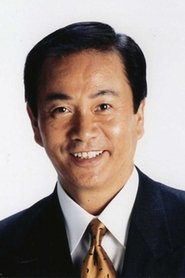
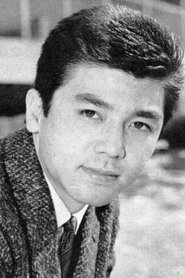
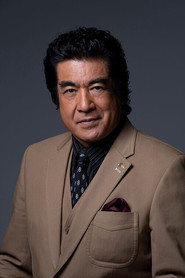
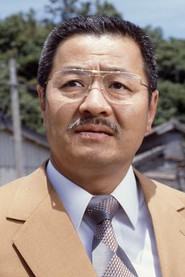
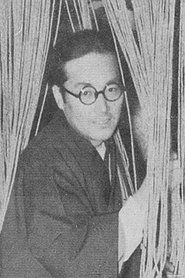
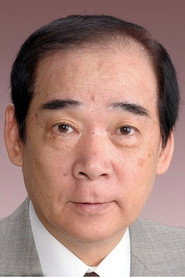
The cast includes Kensaku Morita, Nana Ozaki, Muga Takewaki, Elizabeth Wagner, and Christine Rolseth, with Hiroshi Fujioka in a supporting role.
Is The Sunset is Calling Me (1970) worth watching?
As a drama steeped in social observation, *The Sunset is Calling Me* offers a thoughtful, if melancholic, look at class and purpose. While it lacks a rating, its themes and Mizukawa's direction make it a compelling watch for fans of character-driven cinema.
How long is The Sunset is Calling Me?
The film runs for 94 minutes.
About The Sunset is Calling Me (1970) — A Contrast of Lives in Post-Industrial Japan
Junzō Mizukawa's 1970 drama *The Sunset is Calling Me* paints a vivid contrast between two opposing views on life and purpose. At its heart is a gritty portrait of a factory worker navigating hardship and routine, set against the backdrop of a wealthy heir navigating privilege and emptiness. Through their intersecting paths, the film explores class divides, the search for meaning, and the quiet desperation of modern existence. Shot with a contemplative tone, it lingers on the small moments that define identity—morning commutes, shared meals, and fleeting glances across crowded streets. The story unfolds like a slow sunset, revealing the weight of choice and the fleeting nature of opportunity.
Kensaku Morita and Nana Ozaki lead the ensemble, delivering performances that balance raw emotion with understated realism. Morita lends gravitas to the factory worker's struggle, while Ozaki brings a fragile elegance to the heiress's internal conflict. Backed by Muga Takewaki's sharp supporting turn, the film builds a world that feels both intimate and universal. Whether you're drawn to its social commentary or its quiet humanity, *The Sunset is Calling Me (1970)* lingers long after the credits roll.