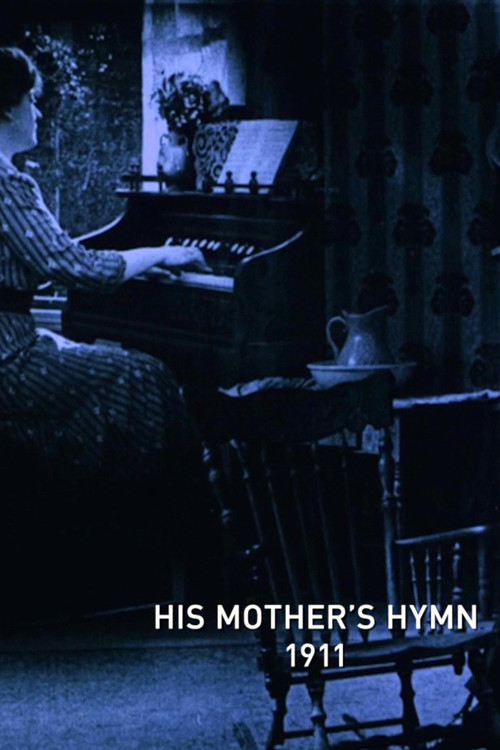
His Mother's Hymn 1911
His Mother's Hymn (1911) stands as a remarkable early cinematic work from pioneering filmmaker Alice Guy-Blaché.
Director: Alice Guy-Blaché
Frequently Asked Questions
What is His Mother's Hymn (1911) about?
The film tells the story of Paul Wellard, who leaves home for city life but succumbs to bad influences, gambling and theft. His moral downfall leads to desperation and a fateful burglary attempt that serves as a cautionary tale about losing one's way.
Who directed His Mother's Hymn?
Alice Guy-Blaché directed this 1911 silent film. She was one of the world's first female filmmakers and a true pioneer in the early cinema industry.
Who stars in His Mother's Hymn?
The main cast members are not identified in available records, though the film features actors portraying Paul Wellard and his mother in this early dramatic work.
Is His Mother's Hymn (1911) worth watching?
As an unrated historical artifact from 1911, this short film holds significant value for silent cinema enthusiasts. Its themes of moral struggle and family bonds remain relevant, making it an interesting watch for those interested in early film history and Alice Guy-Blaché's pioneering work.
How long is His Mother's Hymn?
The film runs for approximately 15 minutes, typical of early silent films which often featured shorter runtimes than modern cinema.
His Mother's Hymn: Silent drama about temptation and redemption — Full Movie Info
His Mother's Hymn (1911) stands as a remarkable early cinematic work from pioneering filmmaker Alice Guy-Blaché. The silent drama follows young Paul Wellard as he departs from his rural home for the promise of city life, pausing to share an emotional farewell with his mother as she plays her beloved hymn on the organ. This brief but poignant moment sets the stage for a powerful moral tale that would resonate through the decades.
Once in the urban environment, Paul initially finds success but soon falls under the influence of unsavory companions. His descent into gambling, theft, and eventual job loss creates a compelling narrative about the corrupting forces of city life and the loss of innocence. The film's climactic scene, where Paul attempts a desperate burglary only to be interrupted, delivers a dramatic punch that exemplifies the storytelling techniques of early cinema. At just 15 minutes long, this historical artifact offers a fascinating glimpse into the moral dramas that captivated early 20th-century audiences.