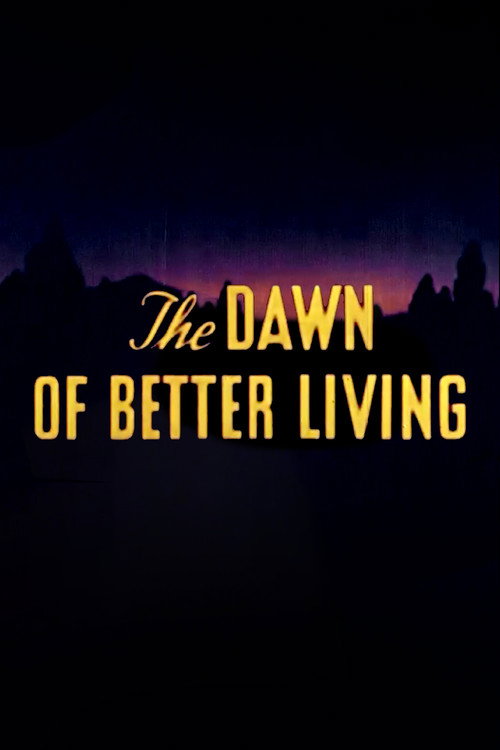
The Dawn of Better Living 1945
Step into a fascinating slice of animation history with *The Dawn of Better Living (1945)*, a 16-minute short film produced by Westinghouse Electric.
Frequently Asked Questions
What is The Dawn of Better Living (1945) about?
This short animated film, produced by Westinghouse Electric, showcases a forward-thinking narrative centered on the bright future of modern living. The story unfolds through playful visuals and a sense of hope, portraying how technological advancements could transform everyday life in the mid-20th century.
Who directed The Dawn of Better Living?
Director information is not available.
Who stars in The Dawn of Better Living?
Cast details are not listed for this short film, as it was likely a collaborative production without named actors.
Is The Dawn of Better Living (1945) worth watching?
While not a blockbuster, *The Dawn of Better Living (1945)* offers a nostalgic and historical curiosity for animation fans. Its 16-minute runtime is light and engaging, making it an easy watch for those interested in vintage corporate films or early animated storytelling.
How long is The Dawn of Better Living?
The runtime is 16 minutes.
About The Dawn of Better Living (1945) — A 16-Minute Animated Snapshot of Post-War Innovation
Step into a fascinating slice of animation history with *The Dawn of Better Living (1945)*, a 16-minute short film produced by Westinghouse Electric. Though its director remains uncredited, this curious animated piece offers a glimpse into mid-century corporate storytelling, blending educational themes with whimsical visuals. The film falls under the genres of animation and historical drama, transporting viewers to a bygone era where innovation and progress were celebrated through the lens of entertainment. Its tone balances optimism with a touch of nostalgia, reflecting the post-war spirit of advancement and the role of household brands in shaping cultural narratives.
As a time capsule of corporate filmmaking, *The Dawn of Better Living (1945)* stands out for its unique blend of technical curiosity and artistic charm. While it may lack the star power of major studio releases, its historical significance lies in its purpose—a promotional tool designed to inspire viewers with the promise of modernity. Today, it serves as a quirky artifact for animation enthusiasts and historians alike, offering a window into how brands once harnessed the power of film to connect with audiences.