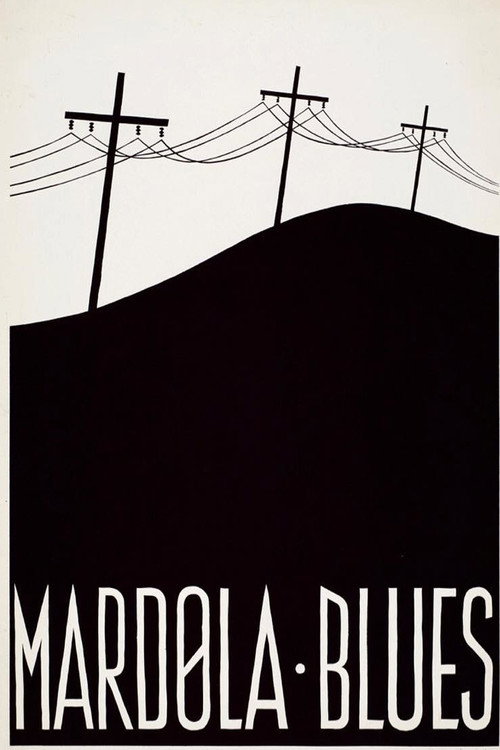
Kampen om Mardøla 1972
Kampen om Mardøla (1972) transports viewers to the rugged Norwegian wilderness, where a determined group of peaceful activists takes a stand against industrial progress.
Director: Oddvar Einarson
Frequently Asked Questions
What is Kampen om Mardøla (1972) about?
This documentary follows a group of non-violent protesters in 1970 who resist the construction of a hydroelectric dam, risking everything to protect the Mardøla River's ecosystem. Their struggle becomes a symbol of environmental resistance against industrial encroachment.
Who directed Kampen om Mardøla?
Oddvar Einarson directed Kampen om Mardøla, bringing his keen eye for social and environmental themes to this compelling real-life story.
Who stars in Kampen om Mardøla?
Cast details for Kampen om Mardøla are not fully documented, though the film centers on activists and local residents leading the protest.
Is Kampen om Mardøla (1972) worth watching?
As a documentary steeped in historical significance, Kampen om Mardøla offers valuable insights into environmental activism long before it became a global movement. While not widely rated, its raw authenticity and timeless message make it a compelling watch for history and nature enthusiasts.
How long is Kampen om Mardøla?
Kampen om Mardøla runs for 82 minutes, packing its environmental message into a concise and impactful runtime.
About Kampen om Mardøla (1972) — A Defiant Cry for Norway's Vanishing Rivers
Kampen om Mardøla (1972) transports viewers to the rugged Norwegian wilderness, where a determined group of peaceful activists takes a stand against industrial progress. Directed by Oddvar Einarson, this gripping documentary captures their fight to preserve the pristine Mardøla River from hydroelectric development in the early 1970s. The film blends stark natural beauty with quiet urgency, immersing audiences in the tension between conservation and modernization.
Through intimate storytelling, Einarson contrasts the serene landscapes with the human determination of those who refuse to let progress erase their heritage. The documentary's atmospheric tone, rooted in real historical events, invites reflection on humanity's relationship with nature—a theme that remains as relevant today as it was over five decades ago.