
Céleste 1970
In Michel Gast's 1970 drama *Céleste*, a French television reporter living a comfortable life of casual affairs and political detachment faces an unexpected crisis when he hires Céleste, a Portuguese immigrant and Marxist-Leninist activist.
Director: Michel Gast
Cast





Frequently Asked Questions
What is Céleste (1970) about?
*Céleste* follows Georges Cazenave, a detached French TV reporter whose orderly life unravels when he hires Céleste, a passionate Portuguese housemaid and revolutionary. Their growing attraction clashes with her underground activism against Salazar's regime, pushing him to reevaluate his own apathy. The film explores love, politics, and the personal toll of ideological commitment.
Who directed Céleste?
Michel Gast directed *Céleste*, crafting a drama that merges intimate storytelling with sharp political commentary.
Who stars in Céleste?
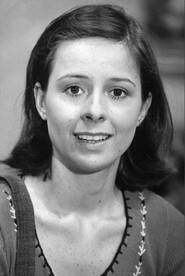
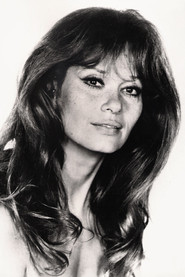
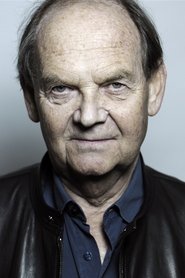
The film stars Débora Duarte as Céleste, alongside Jean Rochefort, Lea Massari, Anne-Marie Coffinet, and Philippe Ogouz in key roles.
Is Céleste (1970) worth watching?
Though unrated on IMDb, *Céleste* offers a compelling blend of drama and political intrigue with strong performances. Its themes of love versus ideology make it a standout for fans of character-driven films with social depth.
How long is Céleste?
*Céleste* has a runtime of 90 minutes.
About Céleste (1970) — A French Drama of Love, Ideology, and Political Awakening
In Michel Gast's 1970 drama *Céleste*, a French television reporter living a comfortable life of casual affairs and political detachment faces an unexpected crisis when he hires Céleste, a Portuguese immigrant and Marxist-Leninist activist. Their blossoming romance clashes with the harsh realities of her underground political involvement against Portugal's Salazar regime, forcing him to confront his own moral indifference. The film masterfully blends personal drama with political tension, painting a vivid portrait of love and ideology in turbulent times.
Set against the backdrop of 1970s Europe, *Céleste (1970)* weaves a story of passion and awakening, where intimacy and ideology collide. With its sharp social commentary and intense character dynamics, the movie captures the era's political fervor and the personal cost of standing against oppression. The chemistry between Débora Duarte and Jean Rochefort anchors a narrative that's as emotionally gripping as it is thought-provoking.