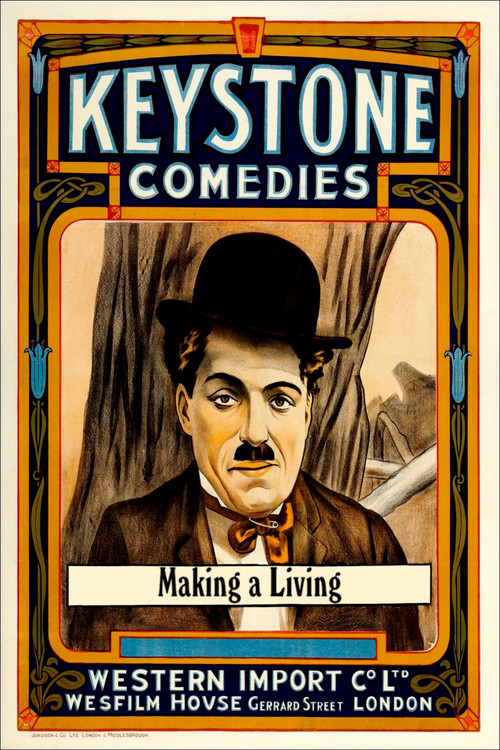
Making a Living 1914
In *Making a Living (1914)*, Charlie Chaplin delivers an early glimpse of his comedic genius as a fast-talking swindler who outwits both a gullible newspaper photographer and reporter.
Director: Henry Lehrman
Cast
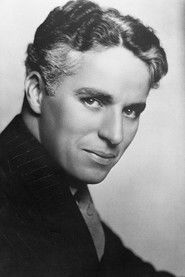
Charlie Chaplin
The Swindler (uncredited)
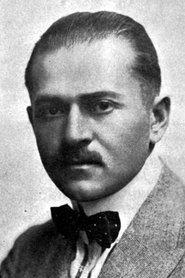
Henry Lehrman
Newspaper Reporter-Photographer (uncredited)
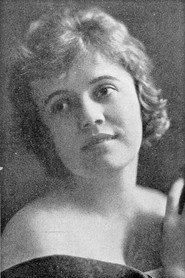
Virginia Kirtley
Fiancée (uncredited)
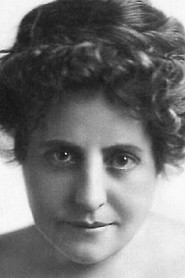
Alice Davenport
Fiancée's Mother (uncredited)
Billy Gilbert
Jealous Husband (uncredited)
Emma Clifton
Jealous Husband's Wife (uncredited)
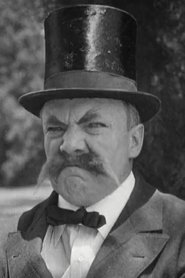
Charles Inslee
Newspaper Editor (uncredited)
Beverly Griffith
Seated Man with Editor (uncredited)
Grover Ligon
Bald Man in Newspaper Office (uncredited)
Edward Nolan
Cop at Apartment Steps (uncredited)
Frequently Asked Questions
What is *Making a Living* (1914) about?
*Making a Living* follows a cunning swindler who scams a newspaper photographer and reporter, only to accidentally apply for a job at the same publication. His lies quickly unravel in a series of mishaps, delivering slapstick humor and early Chaplin charm.
Who directed *Making a Living*?
*Making a Living* was directed by Henry Lehrman, an early silent-film pioneer known for shaping slapstick comedy during the industry's formative years.
Who stars in *Making a Living*?
The film stars Charlie Chaplin, Henry Lehrman, Virginia Kirtley, Alice Davenport, and Billy Gilbert in a cast of rising silent-film talent.
Is *Making a Living* (1914) worth watching?
As one of Chaplin's earliest appearances on screen, *Making a Living* offers a fascinating look at his evolving comedic style. While it lacks the sophistication of his later works, the film's historical value and playful chaos make it a must-see for silent-film enthusiasts.
How long is *Making a Living*?
*Making a Living* runs for 13 minutes, a perfect bite-sized introduction to silent-era comedy.
About Making a Living (1914) — Chaplin's Earliest Comedy in a 13-Minute Swindler's Tale
In *Making a Living (1914)*, Charlie Chaplin delivers an early glimpse of his comedic genius as a fast-talking swindler who outwits both a gullible newspaper photographer and reporter. The short comedy unfolds with slapstick precision as the con artist, unaware of his victim's profession, stumbles into an interview and inadvertently lands a job at the very publication he just scammed. Directed by Henry Lehrman, this 13-minute silent film blends physical humor with the absurdity of early 20th-century urban life, where ambition and deception collide in chaotic ways.
The atmosphere crackles with the energy of pre-war cinema, where Chaplin's expressive face and physical comedy shine even in his earliest roles. The film's themes of mistaken identity and career misadventures offer a charming time capsule of silent-era comedy, showcasing how even minor missteps can spiral into hilarious consequences. Audiences will appreciate the film's historical significance and Chaplin's undeniable charisma, which would soon redefine modern comedy.