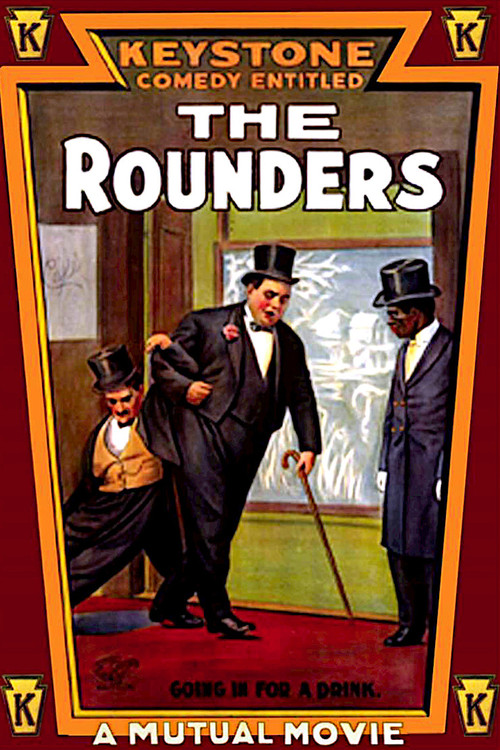
The Rounders 1914
In "The Rounders (1914)", Charlie Chaplin and Roscoe Arbuckle deliver a brisk, slapstick comedy packed with chaotic energy and drunken mischief.
Director: Charlie Chaplin
Cast
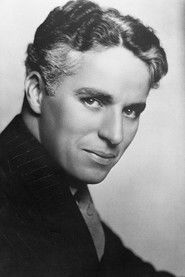
Charlie Chaplin
Mr. Full
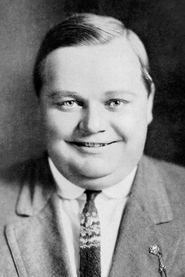
Roscoe Arbuckle
Mr. Fuller
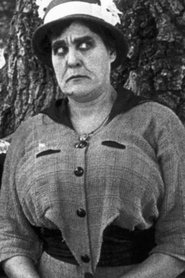
Phyllis Allen
Mrs. Full
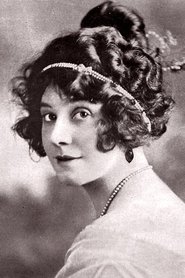
Minta Durfee
Mrs. Fuller
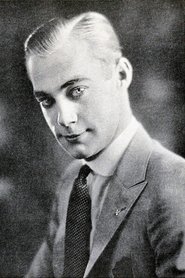
Al St. John
Bellhop / Waiter
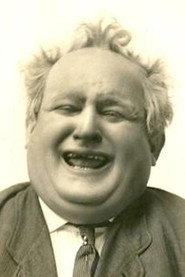
Jess Dandy
Diner
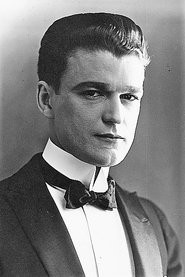
Wallace MacDonald
Diner
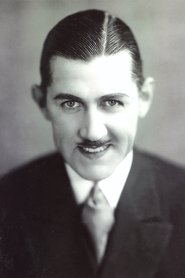
Charley Chase
Diner
Billy Gilbert
Doorman in Blackface
Cecile Arnold
Hotel Guest in Lobby (uncredited)
Frequently Asked Questions
What is The Rounders (1914) about?
This silent-era comedy follows two drunken friends whose arguments with their wives lead to a night of reckless revelry and escalating antics. Their attempts to 'get even' quickly spiral into a blur of laughter, betrayal, and bottomless drinks.
Who directed The Rounders?
Charlie Chaplin directed "The Rounders," showcasing his early knack for blending physical comedy with emotional authenticity.
Who stars in The Rounders?
The main cast includes Charlie Chaplin, Roscoe Arbuckle, Phyllis Allen, Minta Durfee, and Al St. John.
Is The Rounders (1914) worth watching?
As a silent-era comedy, "The Rounders" shines for its energetic humor and Chaplin's iconic presence. While modern audiences may find its premise simple, it's a charming relic of early filmmaking that's fun to revisit for its historical value and infectious charm.
How long is The Rounders?
The Rounders runs for approximately 13 minutes.
About The Rounders (1914) — Chaplin and Arbuckle's hilarious silent comedy of drunken chaos
In "The Rounders (1914)", Charlie Chaplin and Roscoe Arbuckle deliver a brisk, slapstick comedy packed with chaotic energy and drunken mischief. Directed by Chaplin himself, this early silent short follows two intoxicated friends whose marital troubles send them spiraling into an evening of reckless drinking and escalating antics. The film's lightweight runtime belies its rich thematic layers—exploring friendship, escapism, and the absurdity of human folly through a lens of physical comedy. Set against a backdrop of early 20th-century urban life, "The Rounders" captures the unfiltered chaos of drunken revelry with Chaplin's signature wit and Arbuckle's larger-than-life charm.
Though the plot is simple—a drunken binge fueled by domestic squabbles—it's elevated by Chaplin's genius for timing and Arbuckle's infectious physicality. The atmosphere is one of carefree abandon, where consequences are brushed aside in favor of laughter, and every wobbly step or exaggerated gesture becomes a punchline. The film's brevity only sharpens its impact, leaving audiences grinning at the sheer joy of its unapologetic absurdity.
Available as a classic silent comedy, "The Rounders (1914)" remains a delightful snapshot of early cinema's playful side.