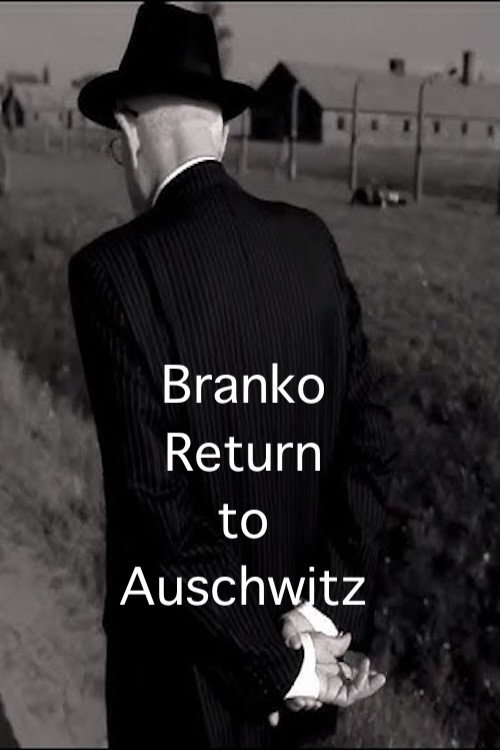
Branko: Return to Auschwitz 2013
Step into a deeply personal journey of remembrance with *Branko: Return to Auschwitz (2013)*, a poignant 11-minute documentary directed by Topaz Adizes.
Director: Topaz Adizes
Cast
Frequently Asked Questions
What is Branko: Return to Auschwitz (2013) about?
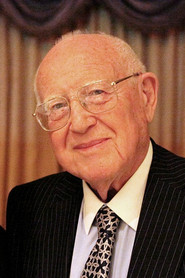
The documentary follows Branko Lustig, a Holocaust survivor and Oscar-winning producer, as he revisits Auschwitz at age 79 to mark his Bar Mitzvah. The film weaves together his memories, faith, and the lingering presence of history's darkest chapter.
Who directed Branko: Return to Auschwitz?
Topaz Adizes directed the film, crafting a sensitive and meditative portrait of Lustig's emotional return to Auschwitz.
Who stars in Branko: Return to Auschwitz?
The documentary stars Branko Lustig, an Auschwitz survivor and Academy Award-winning producer best known for *Schindler's List*.
Is Branko: Return to Auschwitz (2013) worth watching?
Though brief at 11 minutes, this documentary offers a powerful and intimate perspective on survival and memory. Its emotional depth and historical significance make it a moving experience, especially for those interested in Holocaust narratives and personal testimony.
How long is Branko: Return to Auschwitz?
The runtime is 11 minutes.
About Branko: Return to Auschwitz (2013) — A Survivor's Journey Back to the Shadows of History
Step into a deeply personal journey of remembrance with *Branko: Return to Auschwitz (2013)*, a poignant 11-minute documentary directed by Topaz Adizes. The film follows Branko Lustig, a Holocaust survivor and Oscar-winning producer behind *Schindler's List*, as he returns to Auschwitz at 79 to retrace the steps of his youth. This meditative exploration of memory and resilience unfolds against the haunting backdrop of the concentration camp, blending past and present in a quiet reflection on survival and faith. The documentary captures the weight of history through Lustig's quiet presence, offering a glimpse into the enduring scars of trauma and the power of testimony.
Through Adizes' sensitive direction, the short film transforms a historical site into a stage for raw emotional truth. Lustig's presence anchors the narrative, grounding it in lived experience as he confronts the ghosts of his past. The documentary's atmospheric tone—part elegy, part testament—invites viewers to witness not just a return, but a reckoning with the unhealed wounds of the Holocaust.