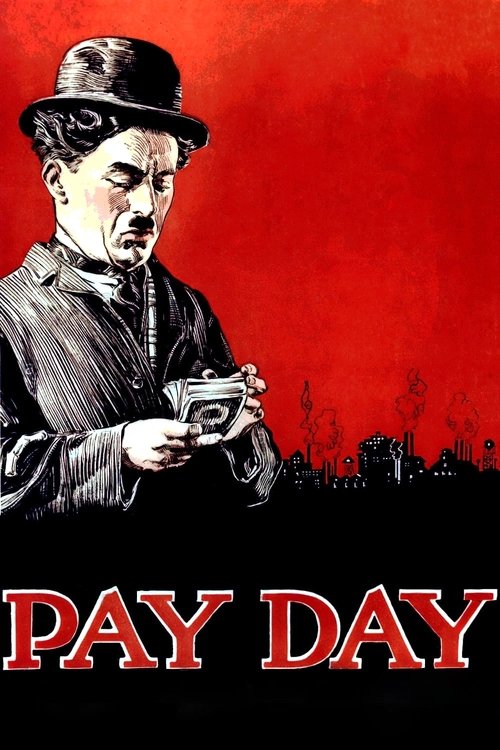
Pay Day 1922
"Chaplin's finest 'Short'"
Charlie Chaplin's 1922 silent comedy *Pay Day* delivers a sharp, humorous look at the struggles of a working-class bricklayer whose hard-earned wages disappear into rowdy celebrations.
Director: Charlie Chaplin
Cast
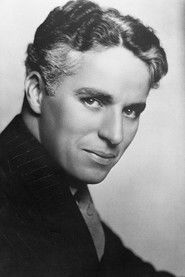
Charlie Chaplin
Laborer
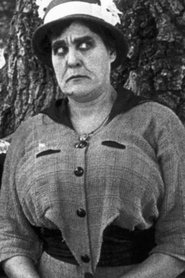
Phyllis Allen
His Wife
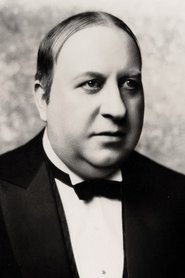
Mack Swain
Foreman
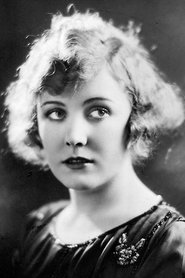
Edna Purviance
Foreman's Daughter
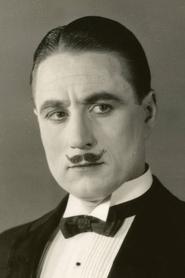
Syd Chaplin
Charlie's Friend and Lunch Cart Owner
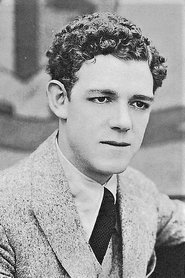
Albert Austin
Workman
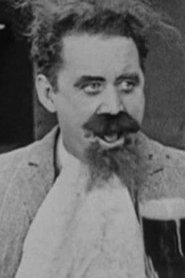
John Rand
Workman
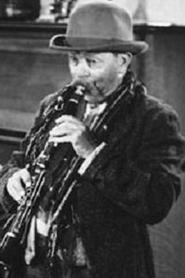
Loyal Underwood
Workman
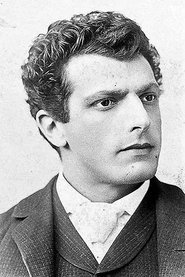
Henry Bergman
Drinking Companion
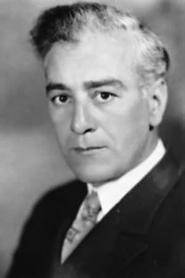
Al Ernest Garcia
Drinking Companion and Policeman
Frequently Asked Questions
What is Pay Day (1922) about?
*Pay Day* follows a bricklayer who eagerly awaits his weekly wages, only to squander them on revelry and impulsive spending, much to his wife's frustration. The film blends slapstick humor with a wry commentary on financial recklessness and marital strife.
Who directed Pay Day?
Charlie Chaplin directed *Pay Day*, showcasing his signature blend of physical comedy and social observation.
Who stars in Pay Day?
The film stars Charlie Chaplin, Phyllis Allen, Edna Purviance, Mack Swain, and Syd Chaplin, with Albert Austin rounding out the cast.
Is Pay Day (1922) worth watching?
With its razor-sharp humor and timeless themes, *Pay Day* is a must-watch for fans of silent cinema and Chaplin's genius. Even a century later, its portrayal of human folly feels fresh and engaging.
How long is Pay Day?
Pay Day runs for 22 minutes, making it a perfect bite-sized introduction to Chaplin's iconic filmmaking.
Pay Day (1922): Chaplin's Silent Comedy Classic — Full Movie Info
Charlie Chaplin's 1922 silent comedy *Pay Day* delivers a sharp, humorous look at the struggles of a working-class bricklayer whose hard-earned wages disappear into rowdy celebrations. Directed by Chaplin himself, this short film blends slapstick charm with a surprisingly poignant critique of financial irresponsibility and marital tension. The story unfolds in Chaplin's signature style, balancing physical comedy with relatable human foibles.
Set against the backdrop of early 20th-century urban life, *Pay Day* captures the chaotic energy of payday excesses, where a man's dreams of rest are hijacked by his own unruly desires. Phyllis Allen and Edna Purviance shine as the long-suffering wife and Chaplin's love interest, while Mack Swain and Syd Chaplin add layers of comedic contrast. The film's themes of temptation, regret, and the cyclical nature of debt resonate just as strongly today as they did a century ago.