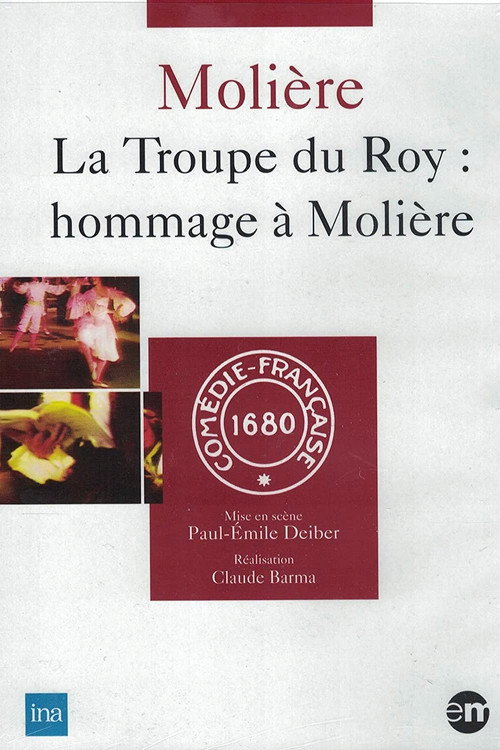
La Troupe du Roy : Hommage à Molière 1973
Step back to 1973 when France paid tribute to its most celebrated wordsmith in *La Troupe du Roy : Hommage à Molière*.
Director: Claude Barma
Cast



Frequently Asked Questions
What is La Troupe du Roy : Hommage à Molière (1973) about?
The film pays homage to Molière by weaving together excerpts from his most iconic plays within a theatrical framework, blending comedy with poignant reflections on art and legacy. It captures both the dazzling performances onstage and the personal struggles behind them.
Who directed La Troupe du Roy : Hommage à Molière?
Claude Barma directed this cinematic homage, guiding a talented ensemble through Molière's enduring works with both rigor and warmth.
Who stars in La Troupe du Roy : Hommage à Molière?
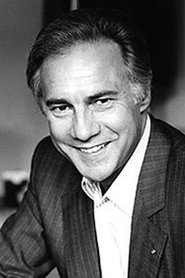
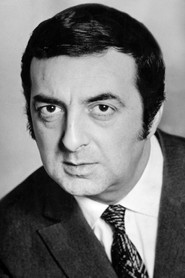
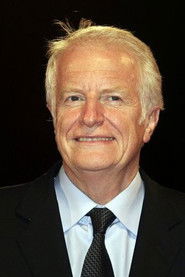
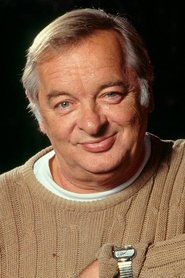
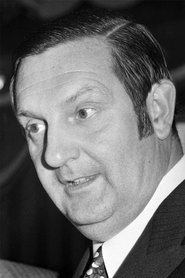
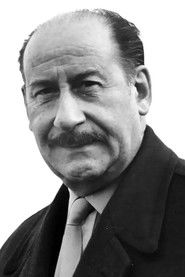
Jacques Toja, Paul-Émile Deiber, René Arrieu, André Dussollier, and Catherine Salviat headline this tribute to Molière's troupe.
Is La Troupe du Roy : Hommage à Molière (1973) worth watching?
As a genre-blending homage to a literary giant, the film offers more than nostalgia; it's a thoughtful bridge between classic stagecraft and cinema. While unrated, its historical and artistic merits make it a compelling watch for fans of period drama and Molière alike.
How long is La Troupe du Roy : Hommage à Molière?
Runtime details are not listed.
About La Troupe du Roy : Hommage à Molière (1973) — Discover the 1973 tribute to Molière's genius
Step back to 1973 when France paid tribute to its most celebrated wordsmith in *La Troupe du Roy : Hommage à Molière*. Director Claude Barma assembles a stellar company of actors led by Jacques Toja and Paul-Émile Deiber to deliver a heartfelt celebration of Molière's timeless comedies and biting satires. The film drifts between sparkling salon scenes and darker backstage intrigues, mirroring the playwright's own oscillation between public adoration and personal censure. Expect elegant dialogue woven with ironic wit, lavish period costumes, and performances that balance reverence with playful irreverence. While rooted in homage, the mood never feels stuffy—it crackles with the same theatrical energy that once electrified 17th-century Parisian audiences.
Audiences in the 1970s flocked to cinemas for a rare glimpse of Molière's genius distilled into a single cinematic evening. Barma's direction favors intimate close-ups that capture the micro-expressions of actors learning lines or nervously awaiting their cues, grounding the spectacle in raw humanity. The comedy-drama hybrid gently reminds us why Molière's plays still resonate: they hold up a mirror to vanity, hypocrisy, and ambition—flaws as universal today as they were in Louis XIV's reign.