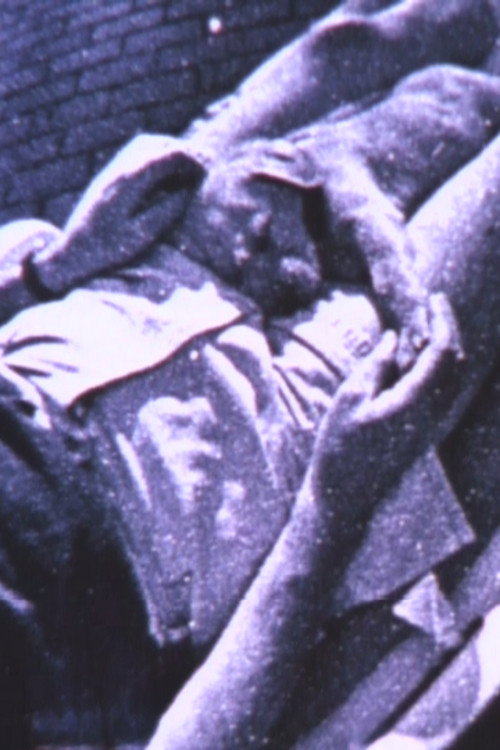
The View Never Changes 1996
Dive into the hypnotic visual poetry of *The View Never Changes (1996)*, a six-minute experimental short by director John Price that transforms Super 8 footage into a mesmerizing meditation on memory and childhood.
Director: John Price
Frequently Asked Questions
What is The View Never Changes (1996) about?
*The View Never Changes* is a six-minute experimental short that uses Super 8 footage to evoke the blurred, shifting nature of childhood memories. Director John Price crafts a visual poem where film itself becomes a medium for nostalgia, blending textures and light into an abstract yet deeply personal recollection of youth.
Who directed The View Never Changes?
John Price directed *The View Never Changes* (1996), a short film known for its experimental visual style and emotional depth.
Who stars in The View Never Changes?
Cast details for *The View Never Changes* (1996) are not publicly available.
Is The View Never Changes (1996) worth watching?
If you appreciate experimental cinema that prioritizes mood and texture over narrative, *The View Never Changes* is a fascinating watch. Its abstract approach may not appeal to all, but for fans of avant-garde filmmaking, it offers a brief yet captivating experience.
How long is The View Never Changes?
The runtime of *The View Never Changes* (1996) is 6 minutes.
About The View Never Changes (1996) — A Hypnotic Short Film on Memory and Childhood
Dive into the hypnotic visual poetry of *The View Never Changes (1996)*, a six-minute experimental short by director John Price that transforms Super 8 footage into a mesmerizing meditation on memory and childhood. Through grainy textures and swirling imagery, the film reconstructs the intensity of youth as a shifting, elusive dream—less a story and more an emotional landscape. Price's vision blurs the line between past and present, inviting viewers into a personal, almost tactile recollection of what it felt like to see the world through a child's eyes. The result is a fleeting yet potent exploration of time, perception, and the way nostalgia reshapes our most vivid moments.
Like a half-remembered dream, *The View Never Changes* lingers long after the screen fades, its abstract style defying conventional narrative. The interplay of light, texture, and fragmented memory creates an immersive experience that feels both intimate and universal, as if unlocking a door to someone else's private world. It's a film that rewards patience and curiosity, offering a rare glimpse into the alchemy of filmmaking as a tool for emotional excavation.