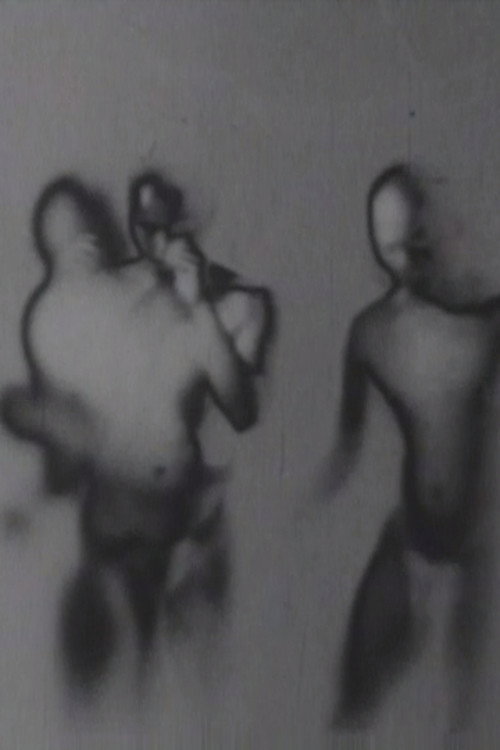
Minus 1999
Minus (1999) is a mesmerizing 3-minute experimental animation crafted by director Chris Chong Chan Fui, entirely hand-processed on 16mm film without traditional editing.
Director: Chris Chong Chan Fui
Frequently Asked Questions
What is Minus (1999) about?
Minus is a 3-minute experimental animation that strips away traditional filmmaking to focus on raw movement and rhythm. Directed by Chris Chong Chan Fui, the film leaves behind remnants of light and sound, creating a hypnotic visual experience that feels both intimate and abstract.
Who directed Minus?
Minus was directed by Chris Chong Chan Fui, marking his debut in 16mm filmmaking with this raw and unedited experimental piece.
Who stars in Minus?
Director information is not available.
Is Minus (1999) worth watching?
Minus is a niche experimental film best suited for fans of avant-garde animation and analog filmmaking. Its 3-minute runtime and abstract nature may not appeal to all audiences, but it offers a unique cinematic experience worth exploring for those interested in visual storytelling.
How long is Minus?
Minus runs for 3 minutes.
About Minus (1999) — A Hand-Processed Animation Masterpiece
Minus (1999) is a mesmerizing 3-minute experimental animation crafted by director Chris Chong Chan Fui, entirely hand-processed on 16mm film without traditional editing. This raw, unfiltered visual poem strips away conventional storytelling to explore the interplay of light and rhythm, leaving behind fleeting traces of movement and emotion. Inspired by Ritchie Hawkin's Concept albums, the film immerses viewers in a singular, hypnotic stream of imagery that feels both intimate and expansive. The absence of cuts or splices creates an almost meditative experience, where every frame feels deliberate and alive.
Stripped of narrative conventions, Minus (1999) challenges audiences to engage with pure cinematic texture. The film's abstract nature invites interpretation, evoking sensations rather than clear-cut stories. Its experimental approach and hand-processed aesthetic make it a standout in the animation genre, appealing to those who appreciate avant-garde filmmaking and the raw beauty of analog techniques.