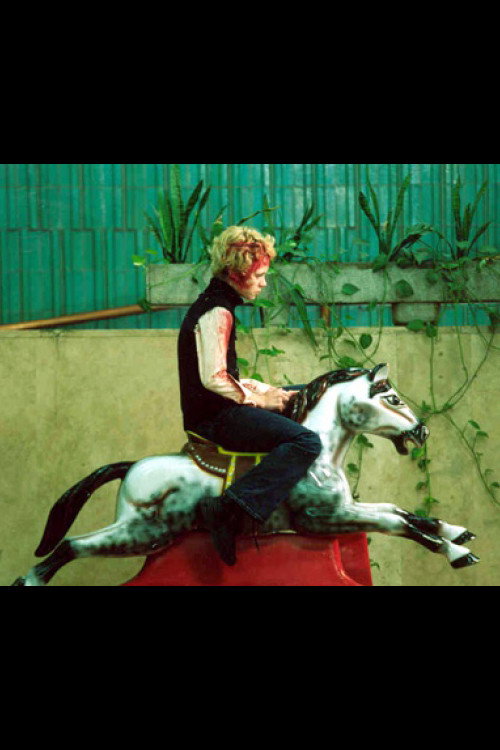
A 78-as Szent Johannája 2003
A 78-as Szent Johannája (2003), directed by Kornél Mundruczó, is a haunting 24-minute opera film that blurs the line between life and death with visceral imagery.
Director: Kornél Mundruczó
Cast

Frequently Asked Questions
What is A 78-as Szent Johannája (2003) about?
This avant-garde opera film unfolds in an underground ward where performers grapple with themes of life and death in a surreal, blood-soaked spectacle. The narrative spirals into chaos as jazz-infused dissonance clashes with haunting visuals, leaving the line between the living and the dead deliciously ambiguous.
Who directed A 78-as Szent Johannája?
Kornél Mundruczó, the acclaimed Hungarian director known for pushing cinematic boundaries, helmed this provocative short film.
Who stars in A 78-as Szent Johannája?
The film features Orsolya Tóth, Tamás Kóbor, Géza Gábor, Ildikó Cserna, and Csilla Boross in lead roles.
Is A 78-as Szent Johannája (2003) worth watching?
As an unrated but visually striking 24-minute opera film, it's a niche but unforgettable experience for fans of avant-garde cinema. Its bold themes and Mundruczó's direction make it a cult favorite, though its lack of mainstream appeal may not suit all viewers.
How long is A 78-as Szent Johannája?
A 78-as Szent Johannája runs for 24 minutes.
About A 78-as Szent Johannája (2003) — A 24-Minute Opera Film That Redefines Life, Death, and Art
A 78-as Szent Johannája (2003), directed by Kornél Mundruczó, is a haunting 24-minute opera film that blurs the line between life and death with visceral imagery. The story unfolds in an underground ward where a captivating performance spirals into dissonant chaos, as performers bathed in blood sing with unsettling enthusiasm. Orsolya Tóth and Tamás Kóbor lead the cast, their roles steeped in the film's raw blend of eroticism and mortality. Mundruczó crafts a nightmarish yet mesmerizing atmosphere, weaving jazz-like dissonance into the opera's tragic climax. The contrast between beauty and decay mirrors the tension between vitality and ruin, leaving audiences to ponder who truly inhabits this fractured world. A provocative experiment in visual storytelling, this film redefines the boundaries of the operatic genre.
The director himself declared this work the dawn of a new era in contemporary opera films, pushing boundaries with its unflinching aesthetic and emotional intensity. A 78-as Szent Johannája challenges conventions, inviting viewers into a surreal realm where art and existence collide. With its striking cinematography and unnerving energy, the film lingers long after the final note fades, marking it as a cult-worthy exploration of human fragility and artistic expression.