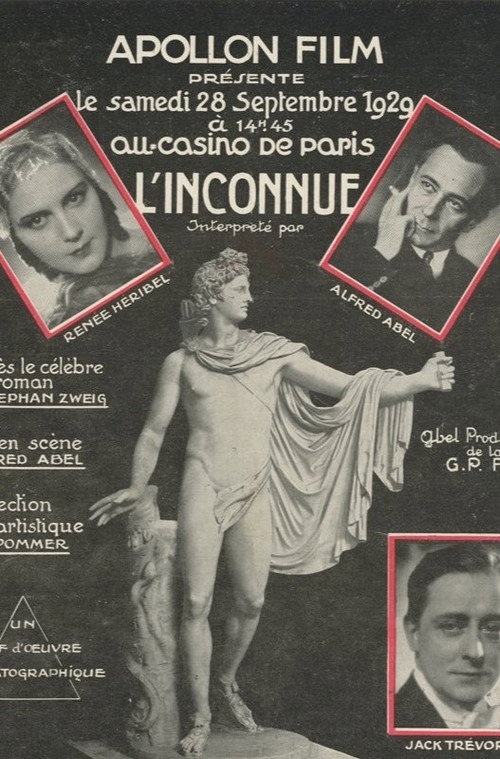
Narkose 1929
Narkose (1929) is a silent-era romance that weaves a delicate web of longing and fate. Directed by Alfred Abel, this 66-minute German film unfolds a poignant story of first love and forgotten connections.
Director: Alfred Abel
Cast

Frequently Asked Questions
What is Narkose (1929) about?
Narkose tells the story of Angélique, a young woman whose youthful infatuation with a famous writer leads to an unexpected pregnancy. Years later, fate reunites them, but the writer fails to recognize the woman whose life he unknowingly shaped.
Who directed Narkose?
Narkose was directed by Alfred Abel, a prominent German actor and filmmaker known for his work in silent cinema.
Who stars in Narkose?
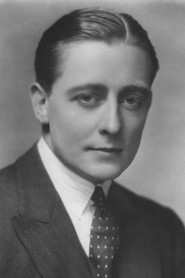
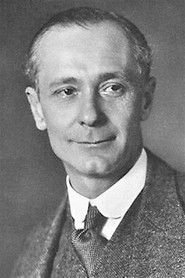
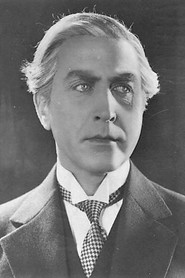
The film stars Renée Héribel as Angélique and Jack Trevor as René Vernon, alongside Alfred Abel, Fritz Alberti, and Frigga Braut.
Is Narkose (1929) worth watching?
Though unrated and obscure, Narkose offers a poignant snapshot of 1920s German romance, marked by subtle emotional depth. Fans of silent films or melancholic stories may appreciate its atmospheric storytelling and Abel's direction.
How long is Narkose?
Narkose has a runtime of 66 minutes.
About Narkose (1929) — A Silent-Era Romance of Lost Love and Memory
Narkose (1929) is a silent-era romance that weaves a delicate web of longing and fate. Directed by Alfred Abel, this 66-minute German film unfolds a poignant story of first love and forgotten connections. The plot centers on young Angélique, whose infatuation with renowned writer René Vernon leads to a fleeting encounter one night. Years later, their paths cross again—only for Vernon to fail to recognize the woman who once carried his child from that impulsive night. Abel crafts a melancholic atmosphere steeped in regret, exploring themes of memory, identity, and the fragility of human bonds.
With a cast led by Renée Héribel as Angélique and Jack Trevor as the oblivious Vernon, Narkose captures the bittersweet tension between past mistakes and present encounters. The film's restrained pacing and delicate performances evoke the quiet heartbreak of love slipping through time. Though rooted in early cinema conventions, its emotional core resonates with timeless melancholy.