
Luke's Lost Lamb 1916
Luke's Lost Lamb (1916) is a delightful silent-film comedy short directed by Hal Roach, following a carefree day at the seaside that quickly spirals into a chaotic chase.
Director: Hal Roach
Cast

Frequently Asked Questions
What is Luke's Lost Lamb (1916) about?
The film follows a group of friends enjoying a day at the beach, only to find themselves in a spirited pursuit after a lost lamb causes a ruckus. The lighthearted chase unfolds with classic silent-film humor and charm.
Who directed Luke's Lost Lamb?
Luke's Lost Lamb was directed by Hal Roach, a pioneer of silent comedy whose work helped shape early Hollywood's comedic landscape.
Who stars in Luke's Lost Lamb?
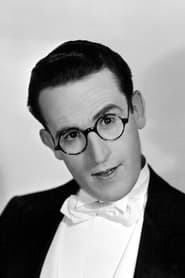
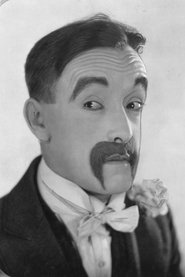
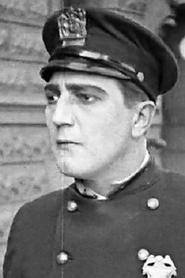
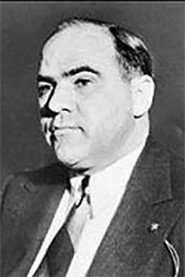
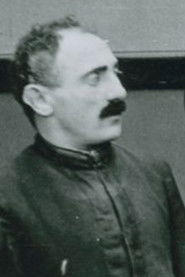
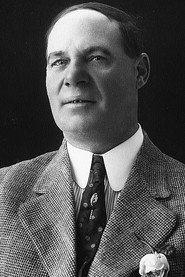
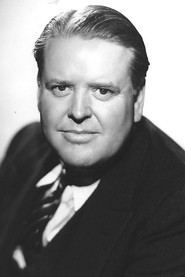
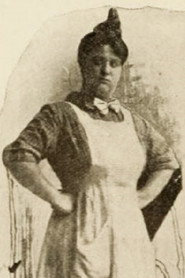
The film stars Harold Lloyd, Harry 'Snub' Pollard, Bebe Daniels, Charles Stevenson, and Fred C. Newmeyer in a playful ensemble cast.
Is Luke's Lost Lamb (1916) worth watching?
As a classic silent comedy, Luke's Lost Lamb offers a nostalgic glimpse into early filmmaking, though its humor may feel dated to modern audiences. Its short runtime and energetic antics make it a fun watch for silent-film enthusiasts.
How long is Luke's Lost Lamb?
Luke's Lost Lamb (1916) has a runtime of 11 minutes.
About Luke's Lost Lamb (1916) — A Classic Silent Comedy Adventure
Luke's Lost Lamb (1916) is a delightful silent-film comedy short directed by Hal Roach, following a carefree day at the seaside that quickly spirals into a chaotic chase. The film centers on a mischievous lamb that strays from its owner, prompting Harold Lloyd and his eccentric friends to embark on a frantic search along the shoreline. With its lighthearted tone and slapstick energy, the comedy captures the innocence of early cinema while showcasing the playful chaos of a day gone awry.
The atmosphere is breezy and sun-soaked, blending the charm of silent-era filmmaking with the timeless appeal of a simple yet engaging premise. Luke's Lost Lamb (1916) stands as a snapshot of early 20th-century entertainment, where physical comedy and heartwarming mishaps take center stage.