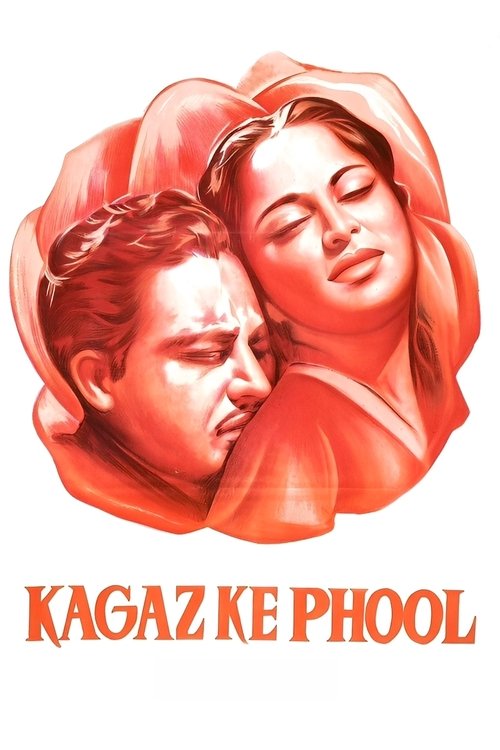
Kaagaz Ke Phool 1959
Guru Dutt's 1959 masterpiece Kaagaz Ke Phool unfolds like a bittersweet melody through the eyes of Suresh Sinha, a celebrated filmmaker whose glittering career dims under the weight of unrequited passion.
Director: Guru Dutt
Cast
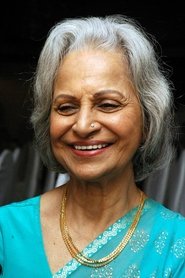
Waheeda Rehman
Shanti
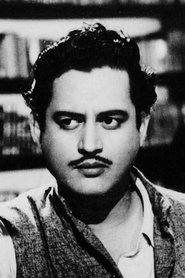
Guru Dutt
Suresh Sinha

Kumari Naaz
Pramila Sinha
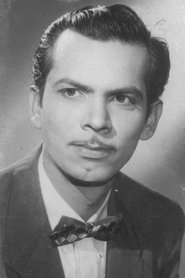
Johnny Walker
Rocky
Mahesh Kaul
Rai Bahadur Verma
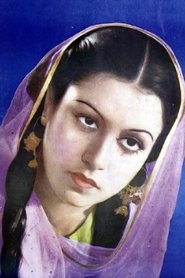
Veena
Veena Varma / Veena Sinha
Minoo Mumtaz
Veterinarian Juliet Singh

Nilofar

Ruby Myers
Sheela Vaz
Frequently Asked Questions
What is Kaagaz Ke Phool (1959) about?
The film follows Suresh Sinha, a once-great film director whose life spirals as he falls for Shanti, a hopeful actress. Their passionate connection unfolds against the backdrop of a changing industry, revealing the fragility of both love and legacy.
Who directed Kaagaz Ke Phool?
Kaagaz Ke Phool was directed by the legendary Guru Dutt, a visionary filmmaker celebrated for his emotionally resonant and visually striking cinema.
Who stars in Kaagaz Ke Phool?
The film stars Guru Dutt as Suresh Sinha, Waheeda Rehman as Shanti, and features Kumari Naaz, Johnny Walker, and Veena in pivotal roles.
Is Kaagaz Ke Phool (1959) worth watching?
Despite its unrated status, Kaagaz Ke Phool endures as a classic drama and romance, distinguished by Guru Dutt's direction and the chemistry between its leads. Its themes of artistic passion and sacrifice resonate deeply, making it a must-watch for fans of vintage cinema.
How long is Kaagaz Ke Phool?
Kaagaz Ke Phool has a runtime of 142 minutes, offering a rich, immersive experience in its poignant narrative.
About Kaagaz Ke Phool (1959) — A Tale of Love, Art and Loss in Black-and-White Cinema
Guru Dutt's 1959 masterpiece Kaagaz Ke Phool unfolds like a bittersweet melody through the eyes of Suresh Sinha, a celebrated filmmaker whose glittering career dims under the weight of unrequited passion. Told in haunting flashbacks, the drama traces his magnetic yet doomed romance with a young actress on the brink of stardom. Set against the golden age of Hindi cinema, the film paints a melancholic portrait of love, ambition, and the fleeting nature of glamour, all bathed in moody monochrome that amplifies every emotion. The story lingers on themes of sacrifice and self-destruction, wrapped in the director's signature visual poetry.
Kaagaz Ke Phool (1959) remains a timeless exploration of artistic obsession, where fame and feeling blur into a single, sorrowful narrative. With its evocative storytelling and emotionally charged performances, it invites viewers to reflect on the cost of dreams and the ephemeral beauty of celluloid memories.