
Dead Is Dead 1974
Dive into the stark realities of drug addiction with *Dead Is Dead (1974)*, a compelling documentary that pulls back the curtain on rehab therapy through raw, real-life footage.
Cast
Frequently Asked Questions
What is Dead Is Dead (1974) about?
*Dead Is Dead* is a documentary that examines the harsh realities of drug addiction, focusing on real-life addicts undergoing rehab therapy. The film provides an unvarnished look at their struggles, offering an educational and eye-opening perspective on the road to recovery.
Who directed Dead Is Dead?
Director information is not available.
Who stars in Dead Is Dead?
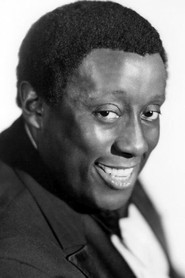
The film features Godfrey Cambridge in a prominent role, delivering a powerful performance that anchors the documentary.
Is Dead Is Dead (1974) worth watching?
As a short documentary from 1974, *Dead Is Dead* offers a poignant and educational snapshot of a critical social issue. While it may lack modern production polish, its raw authenticity and compelling subject matter make it a valuable watch for those interested in addiction studies or historical documentaries.
How long is Dead Is Dead?
The runtime for *Dead Is Dead (1974)* is 24 minutes.
About Dead Is Dead (1974) — A Raw 1974 Documentary on Drug Addiction and Recovery
Dive into the stark realities of drug addiction with *Dead Is Dead (1974)*, a compelling documentary that pulls back the curtain on rehab therapy through raw, real-life footage. Directed by an unidentified filmmaker, this short but impactful film follows addicts as they navigate the grueling process of recovery, offering a sobering look at the human toll of substance abuse. With a runtime of just 24 minutes, the documentary compresses its powerful message into a tight, emotionally charged package. Godfrey Cambridge stars, lending gravitas to the project, while the genre's documentary lens ensures an unflinching, educational perspective.
*Dead Is Dead* isn't just a film—it's a visceral, eye-opening experience that challenges viewers to confront the complexities of addiction and the resilience required to overcome it. The tone is uncompromising, blending clinical observation with deeply personal stories to create a narrative that lingers long after the credits roll. Whether you're studying addiction, social issues, or documentary filmmaking, this short film serves as a powerful testament to the power of cinema as a tool for awareness.