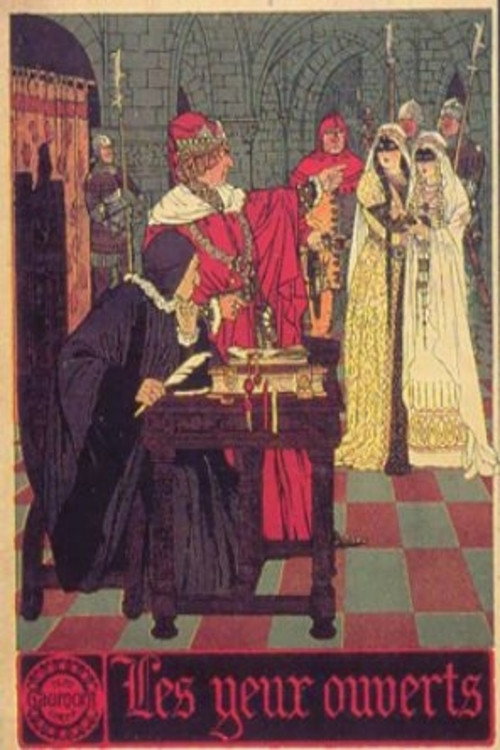
The Open Eyes 1913
Step back to 1913 with Louis Feuillade's *The Open Eyes*, an early silent short that immerses viewers in the quiet intensity of its era.
Director: Louis Feuillade
Cast
Frequently Asked Questions
What is The Open Eyes (1913) about?
*The Open Eyes* is a short silent film that explores themes of perception and unspoken tension through subtle glances and gestures. Without relying on dialogue, it unfolds as a quiet study of observation, where what isn't said speaks volumes.
Who directed The Open Eyes?
The Open Eyes was directed by Louis Feuillade, a pioneering French filmmaker renowned for his influential work during the silent era and later famous for the *Fantômas* serials.
Who stars in The Open Eyes?
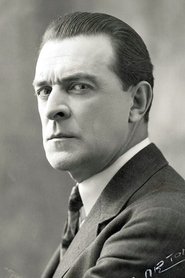
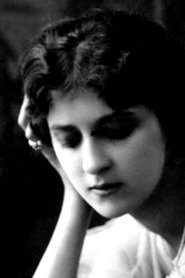
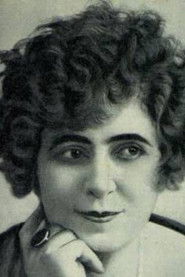
The film features René Navarre, Yvette Andréyor, Renée Carl, and Paul Manson in its principal roles.
Is The Open Eyes (1913) worth watching?
As a rare surviving silent short by Feuillade, *The Open Eyes* offers a fascinating glimpse into early cinema's visual storytelling. While lacking a traditional plot, its atmospheric mood and expressive performances make it a curious watch for silent film enthusiasts.
How long is The Open Eyes?
The Open Eyes runs approximately 10 minutes.
About The Open Eyes (1913) — Early Silent Cinema's Quiet Revelation in 10 Minutes
Step back to 1913 with Louis Feuillade's *The Open Eyes*, an early silent short that immerses viewers in the quiet intensity of its era. Directed by the French pioneer behind the famous *Fantômas* serials, this ten-minute film relies on atmosphere and close-up expressiveness long before dialogue could carry a story. Starring René Navarre, Yvette Andréyor, and Renée Carl, its narrative unfolds through expressive glances rather than intertitles, evoking themes of perception, revelation, and the unspoken tensions that linger beneath polite surfaces. The grainy celluloid and lingering shots create a dream-like quality, inviting audiences to read meaning into every glance and gesture.
Drifting between mystery and intimacy, *The Open Eyes (1913)* captures a moment when cinema was still discovering its own voice. Without relying on spoken words, Feuillade crafts a vignette that feels both intimate and enigmatic, leaving viewers to wonder what silent truths were being revealed behind closed doors. The film's brevity belies its ambition—it's less about plot than about the power of observation itself, a meditation on seeing and being seen in a world just learning to look.