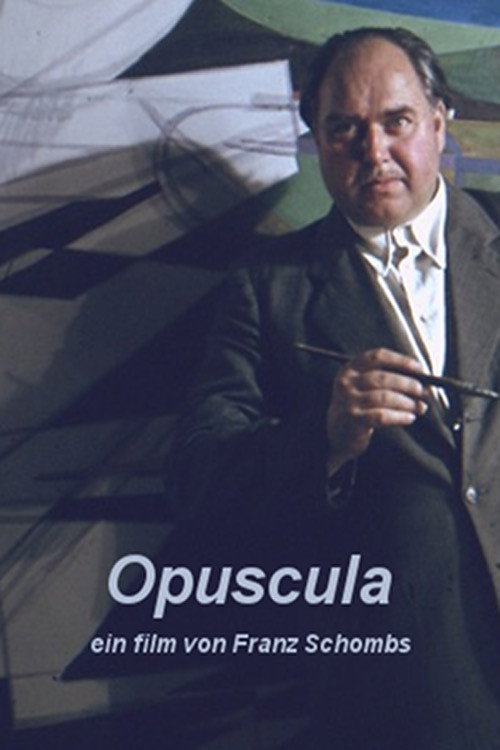
Opuscula 1952
Franz Schömbs' earliest surviving short film, *Opuscula (1952)*, is a sleek and experimental five-minute marvel that showcases the director's knack for visual storytelling.
Director: Franz Schömbs
Frequently Asked Questions
What is Opuscula (1952) about?
*Opuscula (1952)* is a brief but bold short film that distills storytelling into its purest visual form. While plot details are scarce, the piece likely explores themes of brevity, artistry, and subtle cinematic expression through its minimalist approach and evocative imagery.
Who directed Opuscula?
Franz Schömbs, a German filmmaker whose early works like *Opuscula* hinted at his keen eye for composition and narrative economy.
Who stars in Opuscula?
Cast details for *Opuscula (1952)* are not publicly documented.
Is Opuscula (1952) worth watching?
Though unrated and obscure, *Opuscula (1952)* appeals to fans of experimental cinema and early film history. Its five-minute runtime makes it an easy watch, and its visual craftsmanship offers a rewarding glimpse into Franz Schömbs' formative style.
How long is Opuscula?
*Opuscula* has a runtime of 5 minutes.
About Opuscula (1952) — A Compact Cinematic Gem by Franz Schömbs
Franz Schömbs' earliest surviving short film, *Opuscula (1952)*, is a sleek and experimental five-minute marvel that showcases the director's knack for visual storytelling. Crafted in the postwar era, the film blends minimalist aesthetics with a meditative rhythm, immersing viewers in a compact yet evocative cinematic experience. Though details about its narrative remain scarce, *Opuscula* is celebrated for its precision and atmosphere, capturing the essence of early 1950s European art-house cinema. The short's concise runtime belies its ambition, offering a tiny yet potent glimpse into Schömbs's evolving style and creative vision.
Often described as a nod to avant-garde sensibilities, *Opuscula (1952)* transcends its brevity by inviting interpretations tied to artistic expression and fleeting beauty. Whether interpreted as an abstract piece or a symbolic reflection, the film's tone is introspective and disciplined, reflecting the cultural undercurrents of its time. For enthusiasts of short films and pioneers of cinema, it remains a fascinating artifact—a testament to the power of restraint and the art of saying much with very little.