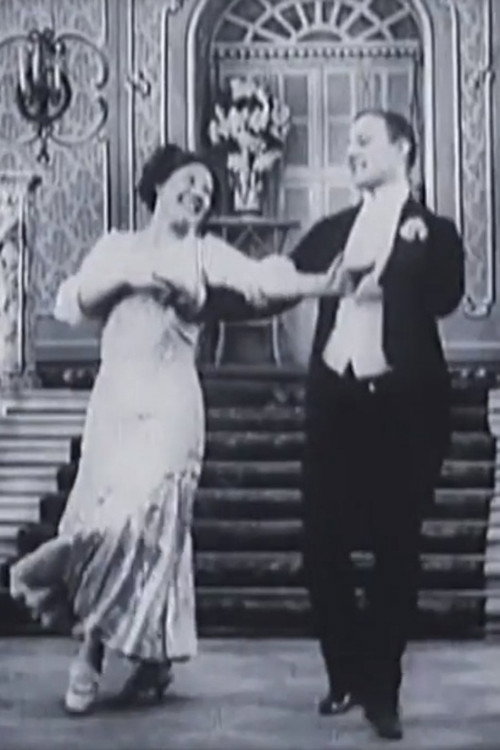
Der Graf von Luxemburg: Mädel klein, Mädel fein 1910
Step back to the dawn of cinema with *Der Graf von Luxemburg: Mädel klein, Mädel fein (1910)*, a fleeting but fascinating silent short that captures the elegance and charm of early 20th-century European filmmaking.
Cast
Frequently Asked Questions
What is *Der Graf von Luxemburg: Mädel klein, Mädel fein* (1910) about?
This 1910 silent short focuses on a brief musical performance, likely within an operetta or vaudeville context. The title hints at a story centered on a refined young woman, possibly set against a backdrop of aristocratic elegance, though plot details are lost to time.
Who directed *Der Graf von Luxemburg: Mädel klein, Mädel fein*?
Director information is not available for this early silent short, reflecting the often-anonymous nature of filmmaking in the era.
Who stars in *Der Graf von Luxemburg: Mädel klein, Mädel fein*?
The film features actors Bernhard Bötel and Louise Kartousch in the leading roles, though their performances in this short remain undocumented beyond their names.
Is *Der Graf von Luxemburg: Mädel klein, Mädel fein* (1910) worth watching?
As a three-minute silent short from 1910, this film is less about narrative depth and more about historical curiosity. It offers a rare glimpse into the early days of cinema and the role of music in silent films, making it a niche but fascinating watch for film enthusiasts and historians.
How long is *Der Graf von Luxemburg: Mädel klein, Mädel fein*?
The film runs for approximately 3 minutes, a typical length for early silent shorts of the era.
About Der Graf von Luxemburg: Mädel klein, Mädel fein (1910) — A historic silent short that blends music and visual storytelling
Step back to the dawn of cinema with *Der Graf von Luxemburg: Mädel klein, Mädel fein (1910)*, a fleeting but fascinating silent short that captures the elegance and charm of early 20th-century European filmmaking. Directed by an unknown filmmaker—likely experimenting with the new art form—this three-minute musical number transports audiences to a world of refined performance, where a single musical interlude becomes a window into the operetta and vaudeville culture of the era. The film's brief runtime belies its historical significance, offering a glimpse of how early directors wove music into visual storytelling, using gesture and facial expression to convey emotion in the absence of dialogue. Set against a backdrop of European aristocratic settings, the short exudes an air of nostalgia, blending light-hearted melodies with the visual poetry of silent cinema.
While details about the plot remain scarce, *Der Graf von Luxemburg: Mädel klein, Mädel fein* likely draws from the operetta tradition, where wit, romance, and social satire intertwine. The title itself hints at a playful contrast between grandeur and simplicity, with the phrase *Mädel klein, Mädel fein* suggesting a delicate, refined young woman at the heart of the performance. Though stripped of sound in its original form, the film's reliance on music underscores how early filmmakers leveraged auditory accompaniment to enhance the viewing experience. For modern audiences, this short is a rare artifact—a tiny yet precious relic of a time when cinema was still finding its voice.