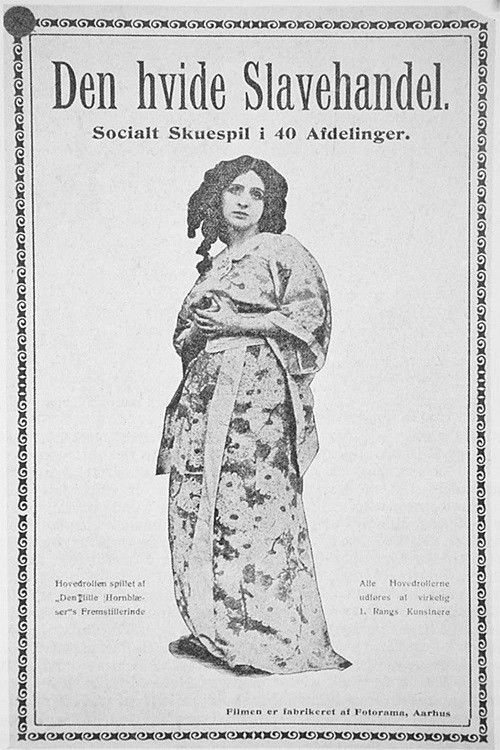
The White Slave Trade 1910
Alfred Cohn's The White Slave Trade (1910) stands as a gripping example of early 20th-century crime dramas, blending tense narratives with stark social commentary.
Director: Alfred Cohn
Cast
Frequently Asked Questions
What is The White Slave Trade (1910) about?
This silent-era crime drama follows a harrowing tale of human trafficking, where victims are drawn into a web of deceit under a veil of innocence. The film's narrative centers on survival and the fight against systemic exploitation, wrapped in the tension of early cinema's storytelling techniques.
Who directed The White Slave Trade?
The White Slave Trade was directed by Alfred Cohn, a filmmaker whose work contributed to the evolution of silent cinema.
Who stars in The White Slave Trade?
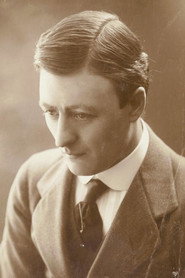
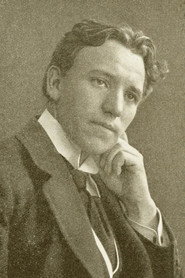
The film features Christel Holch, Kai Lind, Gunnar Helsengreen, Maja Bjerre-Lind, and Peter Kjær in key roles.
Is The White Slave Trade (1910) worth watching?
Though short and overshadowed by a later plagiarized version, The White Slave Trade offers a fascinating glimpse into early silent cinema's approach to crime and morality. Its historical value and atmospheric tension make it a curiosity worth exploring for fans of the genre, even if it's not a masterpiece.
How long is The White Slave Trade?
The White Slave Trade (1910) runs for 21 minutes.
About The White Slave Trade (1910) — Alfred Cohn's Lost Crime Drama Explores Exploitation
Alfred Cohn's The White Slave Trade (1910) stands as a gripping example of early 20th-century crime dramas, blending tense narratives with stark social commentary. This silent-era gem unfolds against a backdrop of shadowy alleys and moral ambiguity, where the exploitation of the vulnerable takes center stage. Starring Christel Holch and Kai Lind as the leads, the film dives into the dark underworld of human trafficking with a raw intensity that feels surprisingly modern despite its century-long age.
While the original storyline remains shrouded in mystery due to its plagiarized nature, the film's atmosphere is thick with suspense and urgency, reflecting the era's fascination with crime and redemption. Though Nordisk Film Kompagni's later adaptation overshadowed Cohn's version, this 21-minute drama retains its historical significance as a snapshot of silent cinema's approach to controversial themes. Its brevity belies its ambition, offering a compact yet potent exploration of justice and survival.