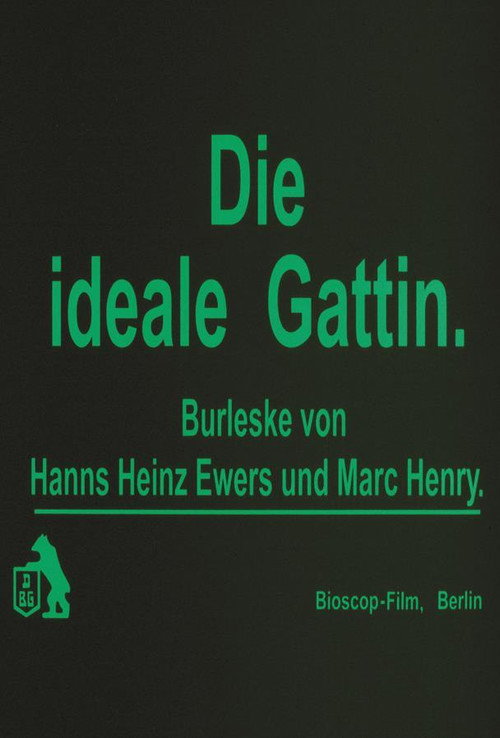
The Ideal Wife 1913
Dive into the early silent comedy classic *The Ideal Wife (1913)*, directed by the inventive Hanns Heinz Ewers and starring Ernst Lubitsch in one of his earliest roles.
Director: Hanns Heinz Ewers
Cast
Frequently Asked Questions
What is The Ideal Wife (1913) about?
The film follows Paul, a bachelor living in a home filled with women—his mother, aunts, sisters, and cousins—who grow increasingly annoyed by his playful teasing. Their reactions to his antics drive the story, creating a lighthearted clash of personalities.
Who directed The Ideal Wife?
The Ideal Wife was directed by Hanns Heinz Ewers, a German writer and filmmaker known for his imaginative and often fantastical works.
Who stars in The Ideal Wife?
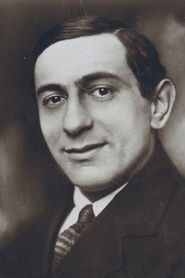
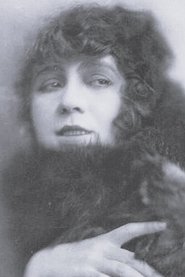
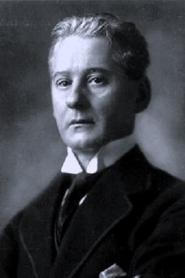
The film stars Ernst Lubitsch, Lyda Salmonova, Paul Biensfeldt, and Grete Berger in key roles.
Is The Ideal Wife (1913) worth watching?
For silent film enthusiasts and fans of early cinema, *The Ideal Wife* is a charming time capsule offering a glimpse into the humor and style of the era. While short, its playful tone and Lubitsch's early performance make it a worthwhile watch for those curious about the roots of comedy in film.
How long is The Ideal Wife?
The Ideal Wife (1913) has a runtime of 16 minutes.
About The Ideal Wife (1913) — A Silent Comedy Classic Starring Ernst Lubitsch
Dive into the early silent comedy classic *The Ideal Wife (1913)*, directed by the inventive Hanns Heinz Ewers and starring Ernst Lubitsch in one of his earliest roles. This charming 16-minute short film follows the mischievous bachelor Paul, who finds himself outnumbered in a household dominated by his mother, aunts, sisters, and cousins. Their collective annoyance with his playful teasing sets the stage for a lighthearted battle of wits, blending slapstick humor with the quirks of family dynamics. Set against the backdrop of early 20th-century Germany, the film captures the playful absurdity of domestic life, where every glance and gesture becomes part of a larger comedy of manners. Ewers' direction infuses the piece with a playful energy, making *The Ideal Wife* a delightful snapshot of silent-era entertainment that still sparkles with charm over a century later.
As one of Lubitsch's earliest performances, this short film hints at the comedic genius that would later define his career. The humor is timeless, rooted in the universal experience of familial friction and the joy of seeing underdogs challenge authority—even if just for a few minutes. With its crisp pacing and expressive cast, *The Ideal Wife* offers a window into the evolution of comedy and cinema itself, proving that even the simplest stories can leave a lasting impression.