Charlemagne 1933
Pierre Colombier's Charlemagne (1933) spins a witty, unexpected tale of survival and power on a remote peninsula after seven wealthy passengers wash ashore following a shipwreck.
Director: Pierre Colombier
Cast






Frequently Asked Questions
What is Charlemagne (1933) about?
Charlemagne follows seven wealthy passengers stranded on a desert peninsula after a shipwreck. Their rescuer convinces the humble sailor Charlemagne to accept a crown and lead them, leading to a series of humorous and tense power dynamics. The story explores themes of class, leadership, and the absurdity of authority.
Who directed Charlemagne?
Charlemagne was directed by Pierre Colombier, a French filmmaker known for blending comedy and drama in his films.
Who stars in Charlemagne?
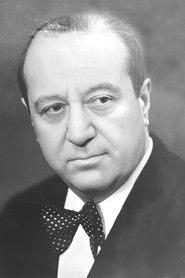
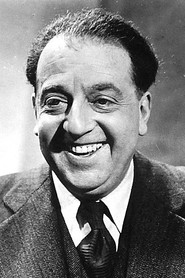
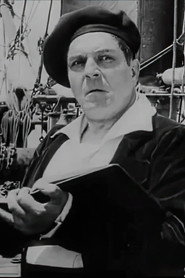
The film stars Raimu as Charlemagne, alongside Marie Glory, Léon Belières, Lucien Baroux, and Jean Dax in key roles.
Is Charlemagne (1933) worth watching?
As a 1933 French comedy-drama with Raimu's signature charm, Charlemagne offers a unique mix of humor and social observation. While time has altered its reception, fans of classic cinema or early French films may find it charming and historically intriguing.
How long is Charlemagne?
Charlemagne (1933) has a runtime of 92 minutes.
About Charlemagne (1933) — A French comedy-drama about power, survival, and the unexpected ruler
Pierre Colombier's Charlemagne (1933) spins a witty, unexpected tale of survival and power on a remote peninsula after seven wealthy passengers wash ashore following a shipwreck. Their rescuer—a resourceful sailor—proposes an audacious deal: crown Charlemagne, the hardworking hero, as their ruler if he can unite them. The film blends sharp comedy with underlying social commentary, exploring themes of privilege, leadership, and the absurdity of hierarchy. With a richly atmospheric setting and a standout performance by Raimu as the bemused Charlemagne, this French classic balances light-hearted satire with moments of quiet introspection. The ensemble cast brings depth to the eccentric characters, creating a world where survival meets satire in equal measure.
Charlemagne (1933) thrives on its clever reversal of expectations, where a desert island becomes the stage for a playful power struggle. The film's tone shifts between slapstick and subtle drama, reflecting the clash between aristocrats and commoners. Its enduring appeal lies in its blend of escapism and sharp wit, making it a standout in early French cinema.