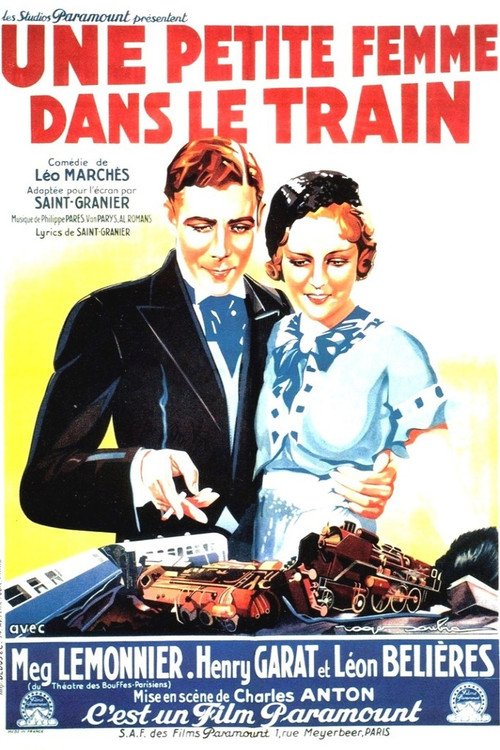
Une petite femme dans le train 1932
Dive into the witty world of *Une petite femme dans le train (1932)*, a sparkling pre-Code French comedy-drama directed by Karl Anton.
Director: Karl Anton
Cast



Frequently Asked Questions
What is Une petite femme dans le train (1932) about?
*Une petite femme dans le train* follows a tangled web of romantic missteps, mistaken identities, and the playful deception of suspicious spouses. The story unfolds with a gender-reversed twist on a classic plot, where a woman's apparent demise in a train wreck leads to a series of hilarious and unexpected revelations. Think of it as a sophisticated game of cat-and-mouse, set against the backdrop of 1930s Parisian elegance.
Who directed Une petite femme dans le train?
The film was directed by Karl Anton, a notable figure in early French cinema known for his work in lighthearted comedies and romances.
Who stars in Une petite femme dans le train?
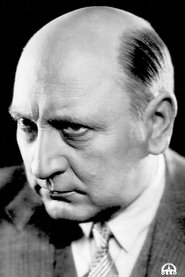
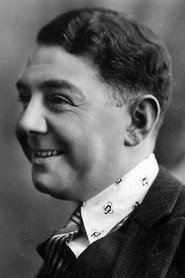
The film stars Henri Garat, Meg Lemonnier, Léon Belières, Pierre Etchepare, and Edwige Feuillère in the lead roles, each bringing their unique charm to this comedic romp.
Is Une petite femme dans le train (1932) worth watching?
Absolutely! If you love pre-Code comedies with sharp wit, clever twists, and a dash of romantic chaos, this film is a gem. While it may lack a numerical rating, its timeless humor and stylish direction make it a delightful watch for classic cinema enthusiasts.
How long is Une petite femme dans le train?
The runtime of *Une petite femme dans le train* is 90 minutes.
About Une petite femme dans le train (1932) — A Witty Pre-Code Romantic Comedy with a Clever Twist
Dive into the witty world of *Une petite femme dans le train (1932)*, a sparkling pre-Code French comedy-drama directed by Karl Anton. This clever romantic farce thrives on misdirection, identity swaps, and the timeless chaos of domestic suspicion—all wrapped in the sleek sophistication of 1930s Parisian charm. Henri Garat and Meg Lemonnier lead a talented cast in a story that flips classic tropes with playful audacity, blending gender reversals and mistaken identities into a delightfully chaotic narrative. The film's breezy runtime of 90 minutes flies by as fast as a whirlwind of romantic escapades, misunderstandings, and dazzling repartee. With its razor-sharp dialogue and elegant visuals, *Une petite femme dans le train* remains a standout gem for fans of early sound-era cinema, offering a nostalgic yet timeless escape into the absurdities of love and deception.
Karl Anton crafts a world where nothing is quite as it seems, and every twist feels like a perfectly timed punchline. The film's clever plot twists, inspired by Pirandello's *The Late Mathias Pascal*, add layers of intrigue and humor, making it a must-see for aficionados of classic French comedy. Whether you're a historian of cinema or simply a lover of sharp, entertaining stories, *Une petite femme dans le train (1932)* promises an unforgettable ride aboard the express train of romantic misadventure.