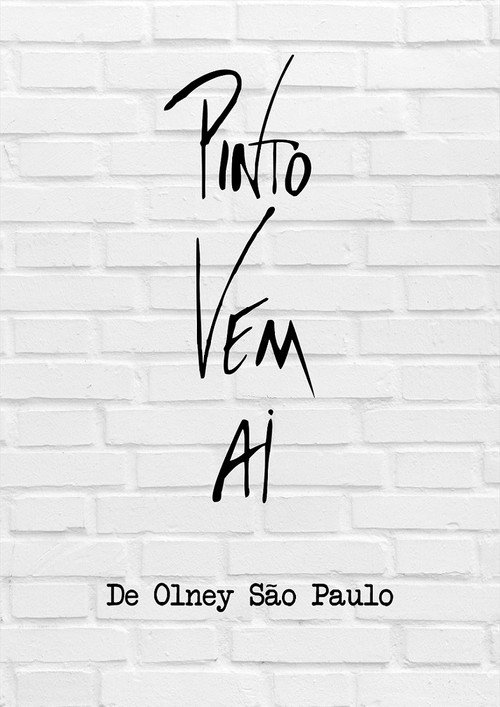
Pinto Vem Aí 1977
Pinto Vem Aí (1977) offers a compelling snapshot of Brazilian political and social history through the lens of documentary filmmaking.
Director: Olney São Paulo
Frequently Asked Questions
What is Pinto Vem Aí (1977) about?
This documentary follows politician Francisco Pinto as he returns to his hometown of Feira de Santana, offering a personal and political narrative woven into the fabric of 1970s Brazil. The film captures the reactions and emotions of the local community during his visit.
Who directed Pinto Vem Aí?
Pinto Vem Aí was directed by Olney São Paulo, a filmmaker known for his work in documentary cinema during the 1970s.
Who stars in Pinto Vem Aí?
The film centers on politician Francisco Pinto, though the full cast details are not listed.
Is Pinto Vem Aí (1977) worth watching?
As a short documentary with historical significance, Pinto Vem Aí (1977) offers a unique perspective on Brazilian politics and local culture. While its IMDb rating is unrated, its thematic depth and concise storytelling make it a valuable watch for fans of documentary films.
How long is Pinto Vem Aí?
Pinto Vem Aí has a runtime of 25 minutes.
About Pinto Vem Aí (1977) — A Glimpse into Brazilian Political History
Pinto Vem Aí (1977) offers a compelling snapshot of Brazilian political and social history through the lens of documentary filmmaking. Directed by Olney São Paulo, this short documentary chronicles the return of politician Francisco Pinto to his hometown of Feira de Santana, capturing the raw emotions and local reactions surrounding his journey. The film immerses viewers in the cultural and political atmosphere of 1970s Brazil, blending intimate storytelling with a behind-the-scenes perspective on grassroots political dynamics.
With a runtime of just 25 minutes, Pinto Vem Aí stands out as a concise yet powerful exploration of identity, legacy, and public service. While the cast details remain unknown, the documentary's focus on Pinto's personal and political significance creates a deeply human narrative. The film's black-and-white aesthetic and observational style evoke a sense of nostalgia, making it a must-watch for enthusiasts of Brazilian history and documentary cinema.