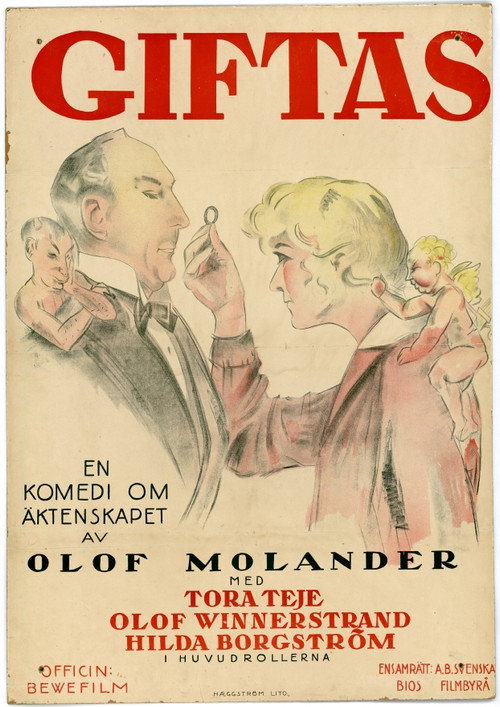
Giftas 1926
Swedish silent-era gem *Giftas (1926)* spins a romantic drama-comedy around marriage, love, and freedom in the 1920s.
Director: Olof Molander
Cast

Frequently Asked Questions
What is Giftas (1926) about?
A Swedish navy captain and his devoted wife face a crisis when a progressive suffragette's new book challenges Signe's view of marriage after six years of bliss. The film explores love, duty, and personal awakening in a society in transition.
Who directed Giftas?
Olof Molander helmed this 1926 drama-comedy, blending lighthearted storytelling with subtle social commentary.
Who stars in Giftas?
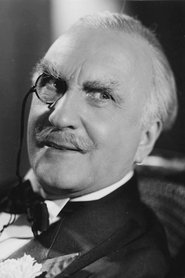
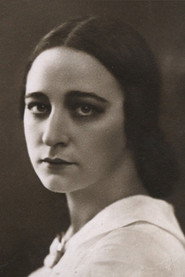
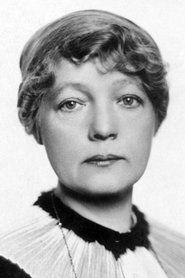
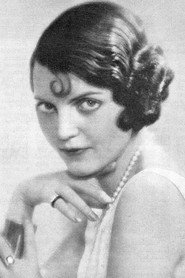
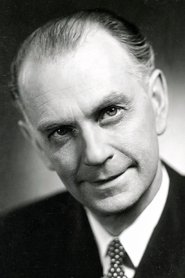
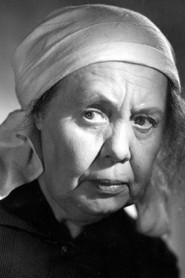
The film features Olof Winnerstrand and Tora Teje as the married couple, with Margit Manstad as the outspoken suffragette Annie Behrman.
Is Giftas (1926) worth watching?
Though unrated on IMDb, its historical significance as a Swedish silent-era drama-comedy and thoughtful exploration of gender roles make it compelling for silent film enthusiasts and fans of early 20th-century narratives.
How long is Giftas?
The film runs 69 minutes.
About Giftas (1926) — A silent-era drama about marriage, freedom and love in 1920s Sweden
Swedish silent-era gem *Giftas (1926)* spins a romantic drama-comedy around marriage, love, and freedom in the 1920s. Directed by Olof Molander, this ensemble piece stars Olof Winnerstrand and Tora Teje as Captain Paul Rosenkrans and his wife Signe, whose blissful six-year marriage is suddenly questioned when Signe reconnects with Annie Behrman (Margit Manstad), a fiery suffragette whose radical new book exposes the unseen chains of matrimony.
As Stockholm's high society simmers with ideas of equality and self-determination, Signe begins to question her own role as a wife, sparking a quietly electrifying clash between devotion and personal liberation. Molander's light yet thoughtful touch balances humor and pathos, creating an atmospheric snapshot of a society on the cusp of change.