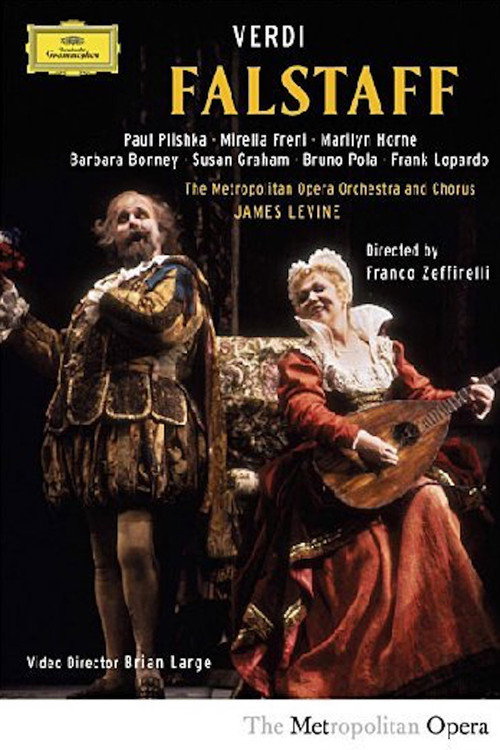
Falstaff 1993
Dive into Franco Zeffirelli's 1993 operatic gem *Falstaff*, a late-career triumph by the legendary Giuseppe Verdi, reimagined with wit and musical innovation.
Director: Franco Zeffirelli
Cast
Frequently Asked Questions
What is Falstaff (1993) about?
This film follows the mischievous Sir John Falstaff as he schemes to woo two wealthy women, only to be outsmarted in a series of hilarious misadventures. Verdi's opera transforms Shakespeare's comedy into a sparkling finale, filled with sharp wit and musical brilliance.
Who directed Falstaff?
Franco Zeffirelli directed *Falstaff*, bringing his signature elegance to Verdi's final comic opera.
Who stars in Falstaff?
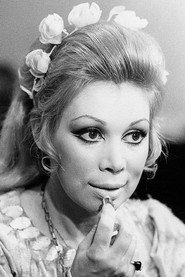
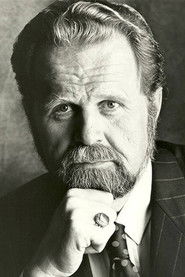
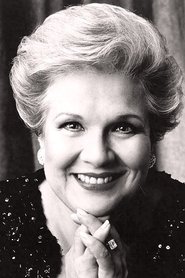
The film features Mirella Freni, Marilyn Horne, Frank Lopardo, Barbara Bonney, and Paul Plishka in key roles.
Is Falstaff (1993) worth watching?
Absolutely—this is a rare opera that balances humor, musical innovation, and timeless storytelling. Zeffirelli's direction and the stellar cast make it a joy for both opera lovers and casual viewers alike.
How long is Falstaff?
The film runs for 126 minutes.
About Falstaff (1993) — Franco Zeffirelli's operatic comedy masterpiece
Dive into Franco Zeffirelli's 1993 operatic gem *Falstaff*, a late-career triumph by the legendary Giuseppe Verdi, reimagined with wit and musical innovation. This vibrant adaptation of Arrigo Boito's libretto breathes fresh life into the shenanigans of Shakespeare's Sir John Falstaff, blending neoclassical flair with modernist touches. Zeffirelli's direction infuses the 126-minute runtime with dynamic energy, while the reduced orchestral textures and crisp motifs create an atmosphere both playful and sophisticated. Stars like Mirella Freni and Marilyn Horne lend their voices to this opera's razor-sharp satire of vanity and folly.
Praised for its ingenuity, *Falstaff (1993)* stands as a testament to Verdi's enduring creativity. The film's ensemble cast, led by tenor Frank Lopardo, delivers performances that crackle with humor and heart, making it a must-watch for opera aficionados and newcomers alike. Its concise, punchy rhythms and reduced orchestration give the story a contemporary edge, proving that Verdi's final comedy remains as relevant as ever.