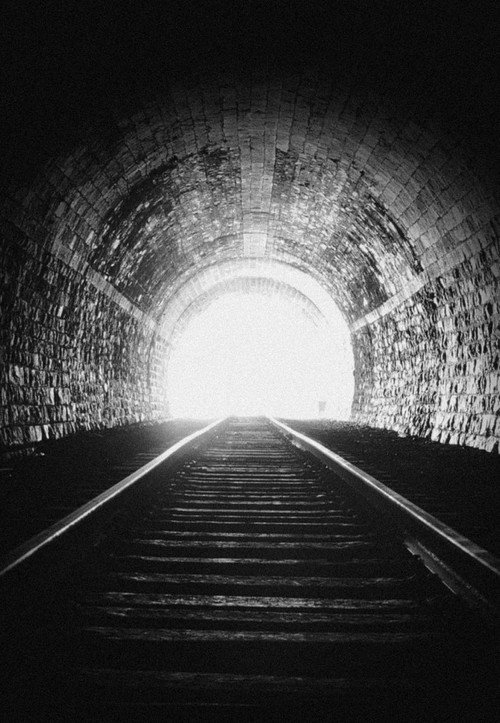
White Hole 2014
John Smith's *White Hole (2014)* is a 7-minute experimental short film that blends personal memory with political reflection.
Director: John Smith
Frequently Asked Questions
What is White Hole (2014) about?
*White Hole (2014)* reflects on the filmmaker's travels to Poland in 1980 and East Germany in 1997, weaving personal experience into a broader meditation on political systems and cultural perceptions. The film uses symbolism, like the 'white hole,' to question how we imagine life beyond our own borders and the narratives we construct about distant places.
Who directed White Hole?
John Smith directed *White Hole (2014)*, a short experimental film known for its introspective approach to political and social themes.
Who stars in White Hole?
Cast details for *White Hole (2014)* are not publicly listed.
Is White Hole (2014) worth watching?
Though unrated and under 10 minutes, *White Hole (2014)* offers a thought-provoking snapshot of Cold War history told through personal memory. Its experimental style and thematic depth make it a compelling watch for fans of arthouse cinema and political narratives.
How long is White Hole?
*White Hole (2014)* has a runtime of 7 minutes.
About White Hole (2014) — A 7-Minute Film That Reframes History Through Memory
John Smith's *White Hole (2014)* is a 7-minute experimental short film that blends personal memory with political reflection. Crafted as a visual and narrative meditation, it juxtaposes the filmmaker's travels to Poland in 1980 and East Germany in 1997—moments steeped in Cold War history and post-Soviet transition. Through layered imagery and introspective storytelling, *White Hole (2014)* challenges the way we mythologize foreign landscapes and regimes, probing the gap between perception and reality. The film's atmosphere oscillates between nostalgia and disillusionment, inviting viewers to reconsider the stories we tell about other places and times.
A concise yet evocative work, *White Hole* lingers on the intersections of time, ideology, and identity. Smith's direction leans into subtle symbolism, using the 'white hole' motif as both a literal and metaphorical device to explore the unknowns of political and social landscapes. Shot in a muted palette with deliberate pacing, the film transforms mundane observations into profound questions about borders—both physical and ideological—and the stories we build around them.