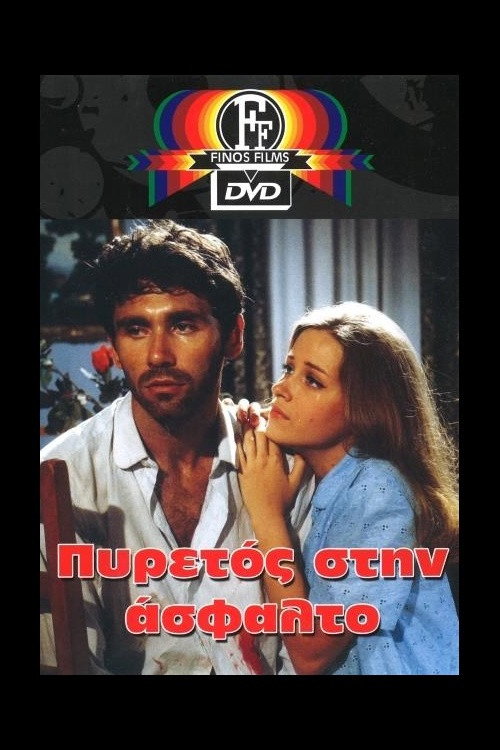
The Asphalt Fever 1967
Gritty Athens streets pulse through *The Asphalt Fever (1967)*, a tense neo-realist drama helmed by director Dinos Dimopoulos.
Director: Dinos Dimopoulos
Cast








Frequently Asked Questions
What is The Asphalt Fever (1967) about?
*The Asphalt Fever* follows a policeman whose wife's life hangs in the balance as he desperately searches for a blood donor in the dead of night. His quest spirals into a high-stakes chase when he crosses paths with a violent fugitive who's barricaded children inside a hijacked school vehicle.
Who directed The Asphalt Fever?
The film was directed by Dinos Dimopoulos, a celebrated Greek filmmaker known for blending social realism with suspenseful storytelling.
Who stars in The Asphalt Fever?
The cast is led by George Foundas and Jenny Roussea, with key support from Faidon Georgitsis, Nora Valsami, and Spyros Kalogirou.
Is The Asphalt Fever (1967) worth watching?
Though unrated, *The Asphalt Fever* offers a gripping fusion of drama and thriller, thanks to its tight pacing and morally charged plot. Fans of 1960s Greek cinema or intense character studies will find Dimopoulos' work compelling and atmospheric.
How long is The Asphalt Fever?
The runtime of *The Asphalt Fever* is 92 minutes.
The Asphalt Fever (1967): A Gripping Greek Drama of Desperation and Crime
Gritty Athens streets pulse through *The Asphalt Fever (1967)*, a tense neo-realist drama helmed by director Dinos Dimopoulos. George Foundas stars as a desperate police constable racing against time to secure blood for his wife's impending delivery—only to stumble into a nightmarish chase with a blood-spattered fugitive who's taken schoolchildren hostage in a stolen car. The film crackles with raw tension, blending crime thriller pacing with the raw desperation of a man pushed to the limits of morality. Dimopoulos crafts a claustrophobic atmosphere, where neon-lit alleyways and trembling sirens mirror the moral chaos unfolding at the heart of the story.
At its core, *The Asphalt Fever* explores the fragile boundary between law and desperation, wrapped in the gritty realism of post-war Greece. Foundas' constable emerges as a flawed hero, torn between duty and survival, while Jenny Roussea's unseen but deeply felt presence looms over the frantic search for a life-saving match. The film's unflinching portrayal of chaos and urgency makes it a standout in 1960s Greek cinema, lingering long after the credits roll.