Take Your Hands Away from Our Land 1952
This 1952 Yugoslav documentary, helmed by director Jože Gale, serves as a striking historical artifact of its era, blending political messaging with cinematic storytelling.
Director: Jože Gale
Cast
Frequently Asked Questions
What is Take Your Hands Away from Our Land (1952) about?
This documentary delves into the political landscape of post-war Yugoslavia, advocating for national sovereignty and resistance against perceived external threats. It frames Tito's leadership as essential to the country's unity and defense.
Who directed Take Your Hands Away from Our Land?
Jože Gale is the director behind this 1952 propagandistic documentary, known for his work in Yugoslav cinema during a politically charged era.
Who stars in Take Your Hands Away from Our Land?
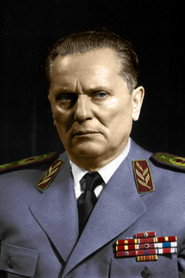
The film prominently features Josip Broz Tito, the leader of Yugoslavia at the time, as the central figure in its political narrative.
Is Take Your Hands Away from Our Land (1952) worth watching?
As a historical document, it offers valuable insight into mid-century propaganda techniques and Yugoslav politics, though its biased tone limits its appeal to modern viewers seeking balanced perspectives.
How long is Take Your Hands Away from Our Land?
Runtime details are not listed for this film.
About Take Your Hands Away from Our Land (1952) — The political cinema of mid-century Yugoslavia revealed
This 1952 Yugoslav documentary, helmed by director Jože Gale, serves as a striking historical artifact of its era, blending political messaging with cinematic storytelling. *Take Your Hands Away from Our Land* is a propaganda film steeped in the ideological tensions of mid-20th century Eastern Europe, capturing the urgent tone of its time through grainy footage and impassioned narration. Gale's direction frames the narrative around themes of sovereignty and resistance, creating an atmosphere that is both tense and deeply propagandistic, designed to sway public opinion. While its genre as a documentary grounds it in factual presentation, the film's intent leans heavily toward persuasion, reflecting the sociopolitical climate of post-war Yugoslavia under Josip Broz Tito's leadership.
Despite its heavy-handed approach, the film stands as a document of its era, offering modern viewers a glimpse into the cinematic tools used to shape national identity and political allegiance. The portrayal of Tito within the film underscores its propagandistic roots, positioning him as a figure of authority and unity. Though not a narrative feature, its significance lies in its historical context, making it a compelling watch for those interested in the intersection of cinema and ideology during the Cold War period.