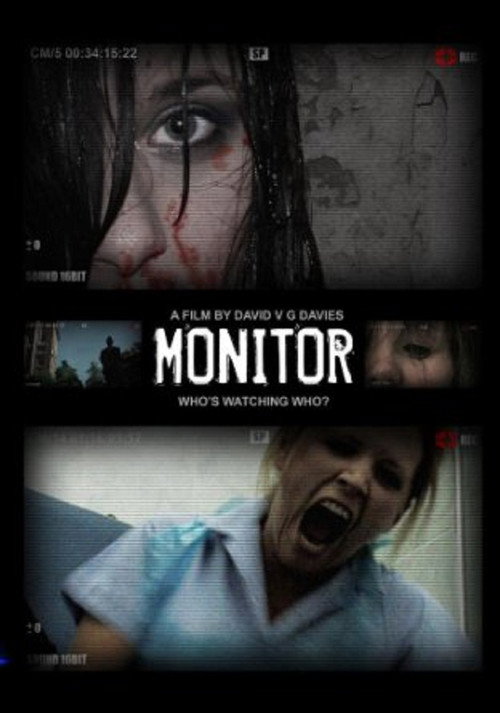
Monitor 2011
"Who's watching who?"
In *Monitor* (2011), director David V.G. Davies crafts a chilling exploration of psychological horror set within the claustrophobic walls of the Damocles Foundation, a remote institution for troubled minds.
Director: David V.G. Davies
Cast
Frequently Asked Questions
What is Monitor (2011) about?
Alice wakes up in the Damocles Foundation, an isolated mental health facility, where the line between patient and staff blurs into chaos. As she grapples with her own inner turmoil, she uncovers a web of deception and hidden agendas among the institution's employees. The film becomes a gripping tale of survival within a system designed to protect—or exploit.
Who directed Monitor?
The film was directed by David V.G. Davies, a filmmaker whose work often explores psychological and horror themes with a focus on atmosphere and tension.
Who stars in Monitor?
The lead roles are played by Yana Kolesnyk and Rami Hilmi, with both actors delivering performances that amplify the film's unsettling tone.
Is Monitor (2011) worth watching?
For fans of slow-burn psychological horror, *Monitor* offers a tense and thought-provoking experience. While it may not appeal to those seeking jump scares, its emphasis on atmosphere and character-driven suspense makes it a compelling watch for niche horror audiences.
How long is Monitor?
The film runs for 77 minutes.
About Monitor (2011) — Psychological Horror Unfolds in a Troubled Institution
In *Monitor* (2011), director David V.G. Davies crafts a chilling exploration of psychological horror set within the claustrophobic walls of the Damocles Foundation, a remote institution for troubled minds. The film follows Alice, a patient whose personal demons soon take a backseat as she uncovers the unsettling secrets lurking among the facility's staff. With its dimly lit corridors and palpable tension, *Monitor* blends isolation with suspense, weaving a narrative that questions who truly holds the power in this oppressive environment. The 77-minute runtime keeps the pacing tight, delivering a slow-burn descent into paranoia and distrust.
As Alice navigates the foundation's labyrinthine halls, she realizes the staff's own struggles mirror her own, blurring the lines between caregiver and captive. The horror here isn't just external—it's psychological, rooted in the unsettling realization that nothing is as it seems. Davies' direction amplifies the unease, creating a nightmarish atmosphere where every shadow could hide a new secret.