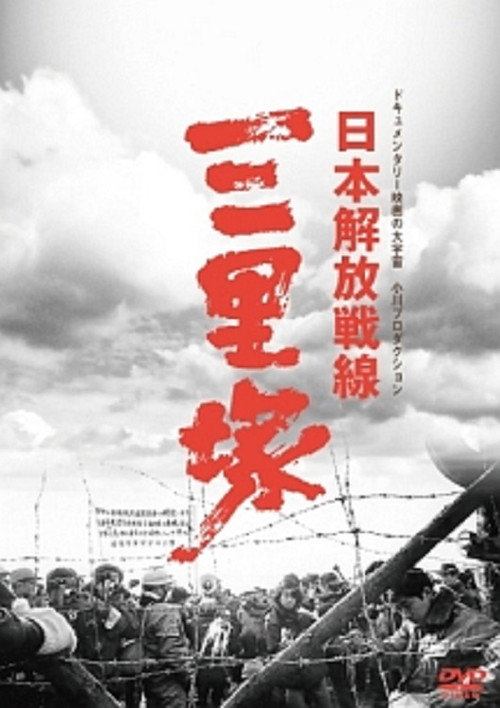
Winter in Sanrizuka 1970
Dive into the raw and immersive world of "Winter in Sanrizuka (1970)", a groundbreaking documentary that captures a pivotal moment in Japanese history.
Director: Shinsuke Ogawa
Frequently Asked Questions
What is Winter in Sanrizuka (1970) about?
This documentary chronicles the fierce opposition by local farmers and activists to the construction of Narita International Airport in Sanrizuka. Filmed during the winter of 1969–70, it captures the tense standoff between authorities and residents fighting to protect their land and way of life.
Who directed Winter in Sanrizuka?
Winter in Sanrizuka was directed by Shinsuke Ogawa, an acclaimed Japanese filmmaker known for his documentary work that often highlights social and political struggles.
Who stars in Winter in Sanrizuka?
Director information is not available for the cast, but the film prominently features local farmers, activists, and residents of Sanrizuka as central figures in its narrative.
Is Winter in Sanrizuka (1970) worth watching?
If you appreciate raw, politically charged documentaries that dive deep into real-life struggles, "Winter in Sanrizuka" is absolutely worth your time. Its unfiltered portrayal of resistance and community solidarity offers both historical insight and emotional impact. While unrated on IMDb, its significance in documentary cinema makes it a must-see for genre fans.
How long is Winter in Sanrizuka?
Winter in Sanrizuka has a runtime of 144 minutes, offering a detailed and immersive viewing experience.
About Winter in Sanrizuka (1970) — A Defiant Documentary on Land Struggles and Community Resistance
Dive into the raw and immersive world of "Winter in Sanrizuka (1970)", a groundbreaking documentary that captures a pivotal moment in Japanese history. Directed by the legendary Shinsuke Ogawa, this 144-minute film immerses viewers in the tense atmosphere of Sanrizuka, where locals fiercely resisted the construction of a new international airport. Through unfiltered footage and intimate storytelling, Ogawa exposes the clash between progress and tradition, blending political urgency with deeply human moments. The film's stark black-and-white visuals and unflinching realism transport audiences to a time of protest, resilience, and community solidarity.
"Winter in Sanrizuka" isn't just a historical document—it's a cinematic experience that challenges viewers to question the cost of development. Ogawa's lens doesn't shy away from the emotions of the people involved, from farmers to activists, all caught in a struggle for their land and livelihoods. This documentary remains a powerful testament to the power of collective action and the personal stakes behind public battles. Whether you're a history buff, a documentary enthusiast, or someone drawn to stories of resistance, this film offers a gripping and thought-provoking journey.