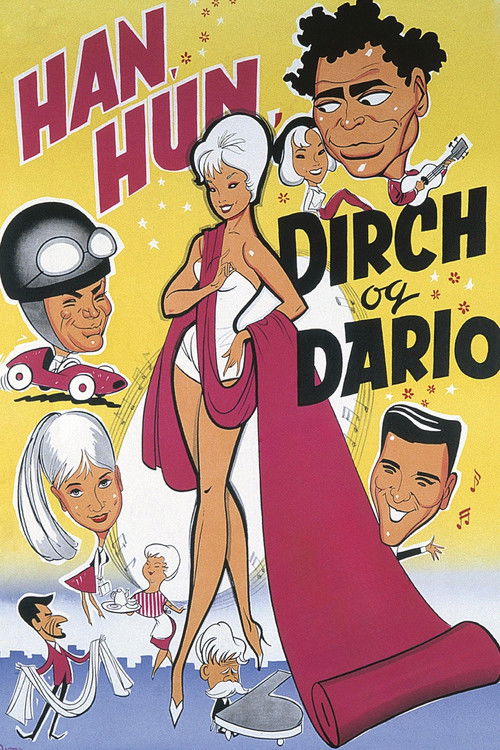
Han, hun, Dirch og Dario 1962
Set in the swinging Copenhagen of the early 1960s, *Han, hun, Dirch og Dario (1962)* blends sharp wit with gentle humor, painting a lively portrait of love, neglect, and second chances.
Director: Annelise Reenberg
Cast




Frequently Asked Questions
What is Han, hun, Dirch og Dario (1962) about?
This charming Danish comedy follows architect Paul Borg, whose preoccupation with his new Jaguar leads him to neglect his wife Marianne, pushing her into the arms of an artistic community. As misunderstandings unfold, both husband and wife grapple with pride, passion, and the possibility of rekindling their love.
Who directed Han, hun, Dirch og Dario?
The film was directed by Annelise Reenberg, known for her work in mid-century Danish cinema.
Who stars in Han, hun, Dirch og Dario?
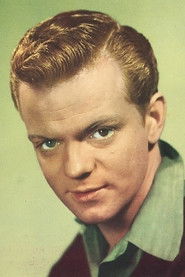
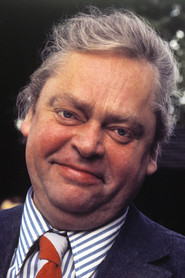
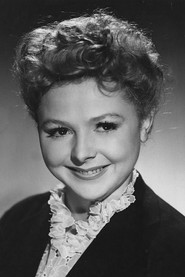
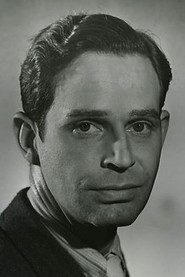
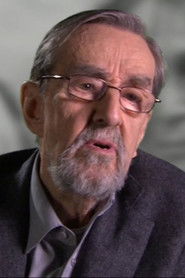
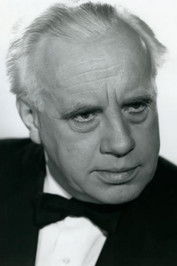
The film features a standout cast including Ghita Nørby as Marianne, Ebbe Langberg as Paul Borg, the legendary Dirch Passer, Dario Campeotto, and Bodil Steen.
Is Han, hun, Dirch og Dario (1962) worth watching?
As a vintage Danish comedy, it delivers lighthearted fun with sharp dialogue and nostalgic charm. While not groundbreaking, its blend of romance, humor, and mid-century atmosphere makes it a pleasant choice for classic film enthusiasts.
How long is Han, hun, Dirch og Dario?
The film runs for 106 minutes.
About Han, hun, Dirch og Dario (1962) — Classic Danish Comedy with Dirch Passer & Ghita Nørby
Set in the swinging Copenhagen of the early 1960s, *Han, hun, Dirch og Dario (1962)* blends sharp wit with gentle humor, painting a lively portrait of love, neglect, and second chances. Director Annelise Reenberg crafts a lighthearted Danish comedy that follows the misadventures of architect Paul Borg (Ebbe Langberg), whose obsession with a gleaming Jaguar distracts him from his radiant wife, Marianne (Ghita Nørby). Their fractured marriage leads Marianne into the bohemian embrace of an artist's collective in Christianshavn, where she rediscovers passion—and a few surprises of her own. With a stellar cast led by the iconic Dirch Passer and Dario Campeotto, this classic Danish gem captures the era's charm through playful flirtations, mistaken identities, and the timeless tension between ambition and devotion.
Against the backdrop of mid-century Denmark's social shifts, the film explores themes of reconciliation, artistic freedom, and the messy beauty of human connections. Its breezy, optimistic tone makes it a delightful watch for fans of vintage comedies, offering both nostalgic escapism and a knowing wink at the foibles of modern love—then and now.