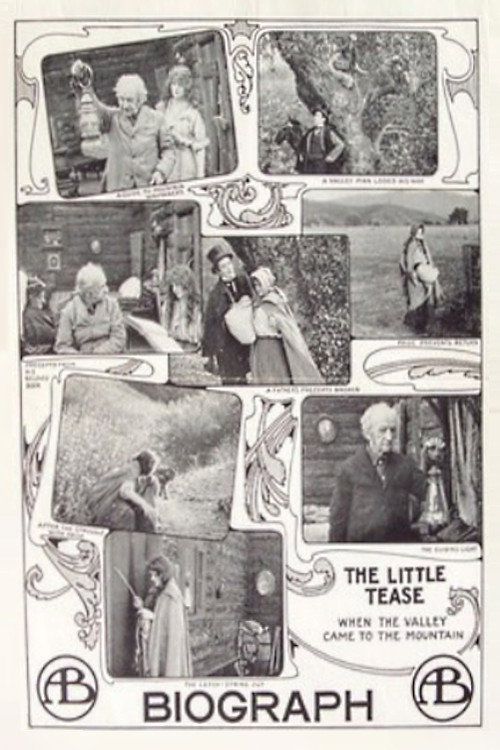
The Little Tease 1913
A precocious mountain girl, raised on mischief and whimsy, discovers romance and heartbreak when a stranger from the valley finds his way into her life in D.W. Griffith's *The Little Tease* (1913).
Director: D.W. Griffith
Cast
Frequently Asked Questions
What is The Little Tease (1913) about?
This 1913 silent drama stars Mae Marsh as a spirited mountain girl whose playful antics mask a longing for love. When a stranger from the valley enters her life, her mischievous ways take an unexpected turn, leading to heartbreak and a family's crisis of faith. The film blends humor and pathos against a rural backdrop.
Who directed The Little Tease?
D.W. Griffith, a pioneer of American cinema, directed *The Little Tease*. Known for his innovative storytelling, Griffith crafted films that balanced emotional depth with broad appeal.
Who stars in The Little Tease?
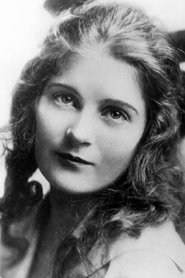
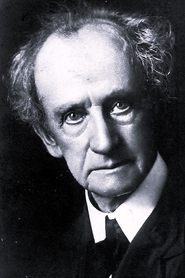
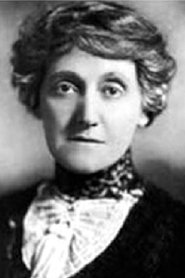
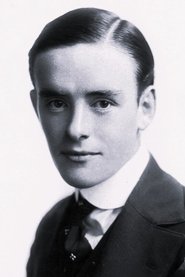
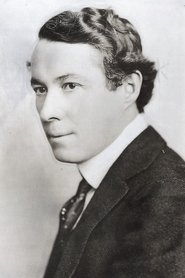
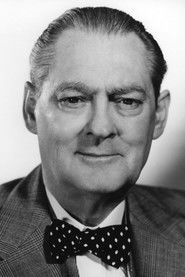
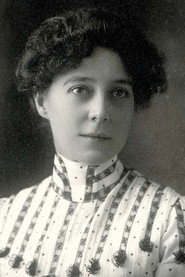
The film features Mae Marsh in the lead role, supported by W. Chrystie Miller, Kate Bruce, Robert Harron, and Henry B. Walthall.
Is The Little Tease (1913) worth watching?
While *The Little Tease* lacks an IMDb rating, its historical significance as a D.W. Griffith film and its gentle storytelling make it a charming watch for silent-film enthusiasts. The themes of love and generational conflict add layers beyond its modest runtime.
How long is The Little Tease?
The Little Tease runs approximately 25 minutes, a typical length for early silent-era short films.
About The Little Tease (1913) — A Silent-Era Drama of Love, Deception, and Growing Pains
A precocious mountain girl, raised on mischief and whimsy, discovers romance and heartbreak when a stranger from the valley finds his way into her life in D.W. Griffith's *The Little Tease* (1913). This silent-era drama weaves a tender yet bittersweet tale of innocence lost and parental faith shaken, set against the rugged beauty of an untamed landscape. Mae Marsh shines as the titular tease, whose playful antics mask a deeper longing for connection, while the film explores timeless themes of love, deception, and the clash between tradition and modernity. Griffith's signature storytelling blends humor and pathos, creating an atmosphere of warmth and melancholy that lingers long after the final frame.
The story unfolds with a gentle irony, as the girl's mischievous nature softens in the face of unexpected love, only to be tested by betrayal. Her father, a man bound by rigid moral codes, grapples with his own crisis of faith when his daughter's actions challenge his beliefs. The film's rural setting and focus on generational conflict add depth, making *The Little Tease* more than just a charming comedy—it's a poignant reflection on growing up and the painful lessons that come with it.