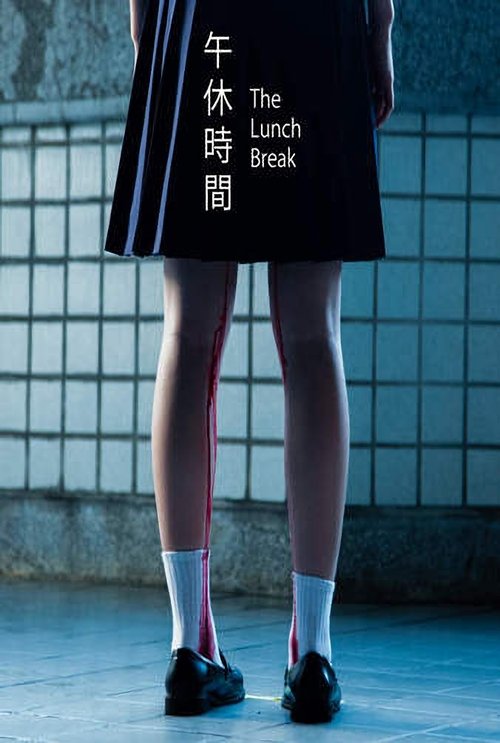
The Lunch Break 2015
In *The Lunch Break (2015)*, director Pin-Jun Lin crafts a poignant drama that unfolds within the confined walls of a special education classroom. Yong Hsiuan arrives as the new teacher, tasked with guiding Qian Qian, an autistic student whose outbursts mask deeper wounds.
Director: Pin-Jun Lin
Cast



Frequently Asked Questions
What is *The Lunch Break (2015)* about?
*The Lunch Break* follows Yong Hsiuan, a new teacher in a special education program, as she uncovers a harrowing secret about her student Qian Qian. The film delves into themes of abuse, institutional power, and the desperate search for truth behind closed doors.
Who directed *The Lunch Break*?
The film was directed by Pin-Jun Lin, who brings a sharp focus to its emotional and social stakes.
Who stars in *The Lunch Break*?
The film features Kaiser Chuang, Aviis Zhong, Huang Jie-fei, and Alec Chia in pivotal roles.
Is *The Lunch Break (2015)* worth watching?
Though unrated on IMDb, this 25-minute drama tackles heavy themes with sensitivity and urgency. Its concise runtime and strong performances make it a compelling watch for fans of thought-provoking cinema.
How long is *The Lunch Break*?
The runtime of *The Lunch Break* is 25 minutes.
About The Lunch Break (2015) — A 25-Minute Drama on Abuse and Trust
In *The Lunch Break (2015)*, director Pin-Jun Lin crafts a poignant drama that unfolds within the confined walls of a special education classroom. Yong Hsiuan arrives as the new teacher, tasked with guiding Qian Qian, an autistic student whose outbursts mask deeper wounds. When Yong Hsiuan discovers Qian Qian has been sexually abused, the truth feels inescapable—especially when the evidence points toward Director Chen, a figure of authority. This short but impactful film explores themes of vulnerability, institutional betrayal, and the fragile trust between a teacher and her student.
Shot in just 25 minutes, *The Lunch Break (2015)* delivers a raw, emotionally charged narrative that lingers long after the credits roll. Lin's direction balances quiet tension with urgent revelations, while the performances—particularly by Kaiser Chuang and Aviis Zhong—add layers of authenticity to the unfolding crisis.