Flow 1964
Toshiaki Suzuki's *Flow (1964)* is a concise yet evocative experimental short crafted for the *A Commercial for Myself* program.
Director: Toshiaki Suzuki
Frequently Asked Questions
What is Flow (1964) about?
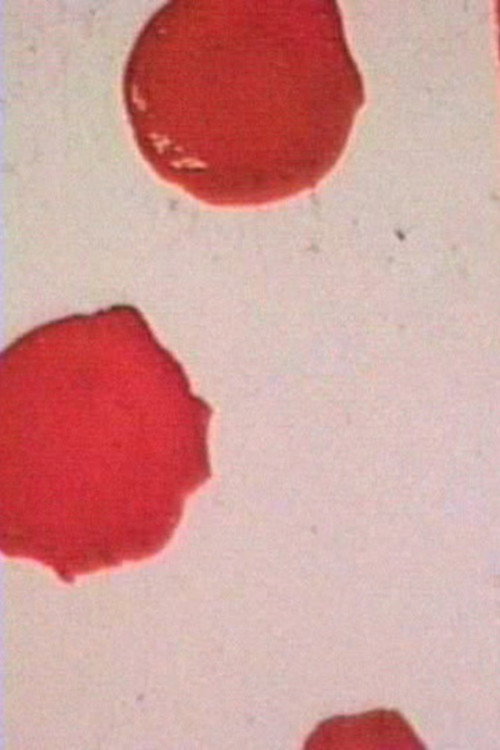
*Flow* is a three-minute experimental short designed to immerse viewers in a meditative visual experience, prioritizing mood and rhythm over traditional storytelling. The film's abstract imagery and fluid pacing create a sense of movement without a clear plot, leaving interpretations open to the audience.
Who directed Flow?
Flow was directed by Toshiaki Suzuki, a filmmaker known for his experimental and avant-garde approach to cinema.
Who stars in Flow?
Cast details for *Flow* are not publicly listed, as it appears to focus solely on visual and thematic experimentation.
Is Flow (1964) worth watching?
Given its experimental nature and brevity, *Flow* is a niche pick best suited for fans of avant-garde cinema. Without a plot or cast to anchor it, the film's appeal hinges on one's appreciation for abstract visuals and atmospheric storytelling. Its lack of IMDb rating suggests limited mainstream interest, but it remains a fascinating artifact of 1960s experimental filmmaking.
How long is Flow?
Flow runs for 3 minutes.
Flow (1964): Exploring Minimalism and Movement — Full Movie Info
Toshiaki Suzuki's *Flow (1964)* is a concise yet evocative experimental short crafted for the *A Commercial for Myself* program. Clocking in at just three minutes, this avant-garde piece defies traditional narrative conventions, instead immersing viewers in a stream-of-consciousness visual experience. The film's abstract imagery and rhythmic pacing evoke a meditative flow state, inviting audiences to interpret its fleeting moments through their own perspectives. While details about the cast remain scarce, Suzuki's creative vision shines through every frame, blending minimalism with a dreamlike quality that lingers long after the credits roll.
As a product of 1960s experimental cinema, *Flow* captures the era's fascination with pushing artistic boundaries. Its brevity underscores a focus on pure expression over storytelling, making it a fascinating entry for fans of short-form avant-garde work. The film's tone is introspective and atmospheric, using light, movement, and silence to create an almost hypnotic effect. For those curious about early Japanese experimental cinema, *Flow* offers a tantalizing glimpse into the medium's capacity for innovation and introspection.