Pilgrim's Progress 1983
Dive into the experimental short film "Pilgrim's Progress (1983)", directed by Caroline Avery, where visual storytelling takes a bold, unconventional turn.
Director: Caroline Avery
Frequently Asked Questions
What is Pilgrim's Progress (1983) about?
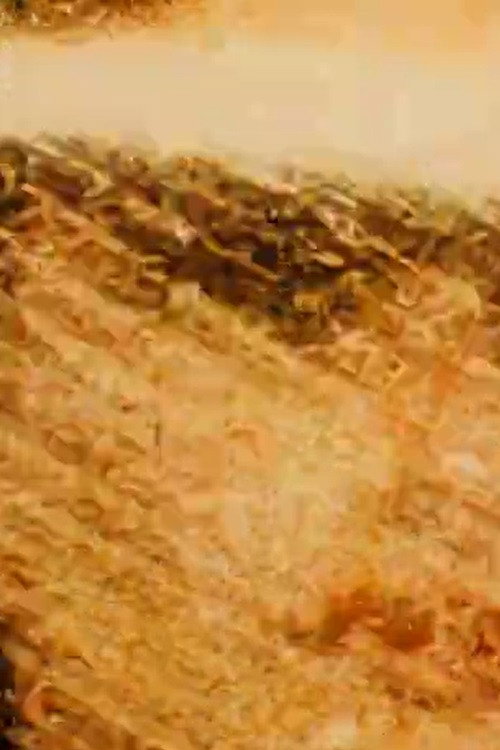
This experimental short film explores marketing through fragmented imagery and polyrhythms, using magazine ink rephotographed onto film to create a visual narrative. It's a tale of perception, where viewers piece together meaning from abstract, shifting visuals that flicker in and out of recognition.
Who directed Pilgrim's Progress?
The film was directed by Caroline Avery, an experimental filmmaker known for her innovative visual storytelling techniques.
Who stars in Pilgrim's Progress?
Cast information for this short film is not available.
Is Pilgrim's Progress (1983) worth watching?
As an experimental short film with no IMDb rating, "Pilgrim's Progress" appeals primarily to those interested in avant-garde cinema or unique visual storytelling. Its abstract nature makes it a niche pick, but its bold techniques might intrigue fans of unconventional art films.
How long is Pilgrim's Progress?
The runtime for Pilgrim's Progress is 9 minutes.
About Pilgrim's Progress (1983) — A Hypnotic Short Film of Ink, Rhythm, and Hidden Stories
Dive into the experimental short film "Pilgrim's Progress (1983)", directed by Caroline Avery, where visual storytelling takes a bold, unconventional turn. This abstract nine-minute piece blends polyrhythms and striking imagery, creating a hypnotic collage that plays with recognition and suspended disbelief. Using magazine ink scraped off pages and rephotographed onto film leader, Avery crafts a narrative that feels both fragmented and cohesive—a meditation on perception and marketing through unexpected artistic methods. The film's atmosphere is immersive yet elusive, inviting viewers to piece together its meaning rather than passively consume it.
Caroline Avery's avant-garde approach transforms "Pilgrim's Progress" into a short but unforgettable experience. The film's themes revolve around coming to terms with fragmented realities and the blurred lines between surface-level impressions and deeper truths. With its experimental techniques and layered visuals, this 1983 short stands out as a unique exploration of visual communication, leaving audiences to question the stories behind the images they encounter every day.