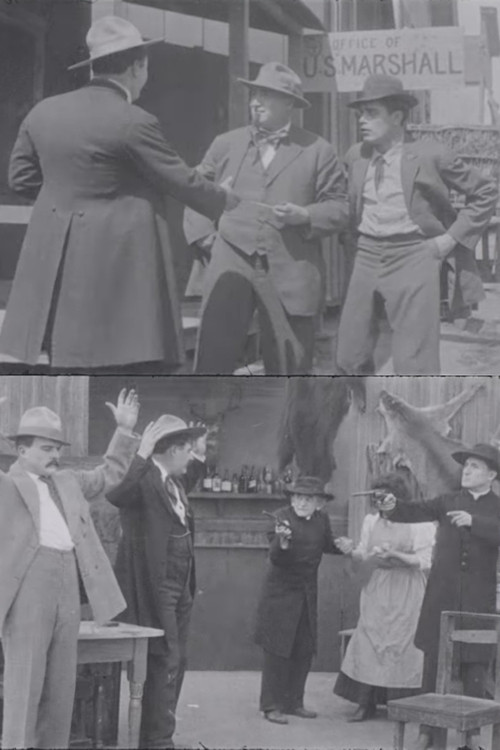
Unexpected Help 1910
Directed by pioneering filmmaker D.W. Griffith, *Unexpected Help (1910)* unfolds as a quiet yet suspenseful drama set in a turn-of-the-century American town.
Director: D.W. Griffith
Cast

Frequently Asked Questions
What is Unexpected Help (1910) about?
The film follows John Bradley, a clerk entrusted with a large sum of money for the bank, as he navigates an uneventful morning that takes a tense turn. Unbeknownst to him, a gambler has taken notice of his errand, setting the stage for a quiet yet gripping drama about responsibility and chance.
Who directed Unexpected Help?
Unexpected Help was directed by D.W. Griffith, a titan of early cinema whose work shaped the language of film storytelling.
Who stars in Unexpected Help?
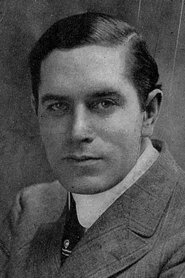
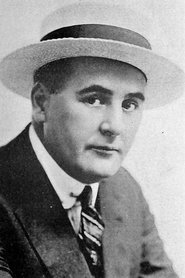
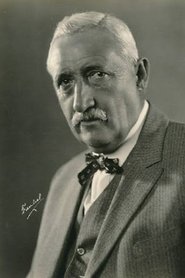
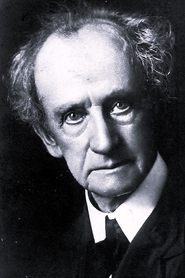
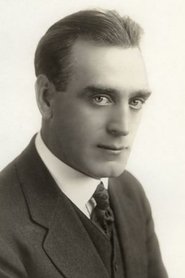
The film features Arthur V. Johnson as John Bradley, with Dell Henderson, Florence Barker, George Nichols, and W. Chrystie Miller rounding out the main cast.
Is Unexpected Help (1910) worth watching?
While *Unexpected Help* is a brief silent-era drama, its tight pacing and suspenseful undertones make it a compelling watch for fans of early cinema. Griffith's direction adds depth to a simple premise, though its historical context may appeal more to silent film enthusiasts than casual viewers.
How long is Unexpected Help?
Unexpected Help runs for 11 minutes.
About Unexpected Help (1910) — A D.W. Griffith Drama of Trust and Suspense
Directed by pioneering filmmaker D.W. Griffith, *Unexpected Help (1910)* unfolds as a quiet yet suspenseful drama set in a turn-of-the-century American town. The story follows John Bradley, a trusted oil company clerk whose peaceful routine takes an unexpected turn when his employer entrusts him with a substantial sum of money. What begins as an ordinary walk to the bank becomes a nerve-wracking journey as Bradley carries the weight—not just of the cash, but of responsibility—while his two young children tag along, unaware of the tension. Griffith masterfully builds atmosphere, blending domestic warmth with looming danger, as the audience watches for signs of trouble in this deceptively simple tale of trust and fate.
The film's themes resonate with universal concerns: the fragility of security, the weight of duty, and the unpredictable nature of life. Shot in Griffith's signature style, the short drama leans into its 11-minute runtime to deliver a tightly woven narrative that feels both intimate and cinematic. The emotional core lies in Bradley's unspoken anxiety, heightened by the contrast of his children's carefree joy—a tension that lingers long after the credits roll.