
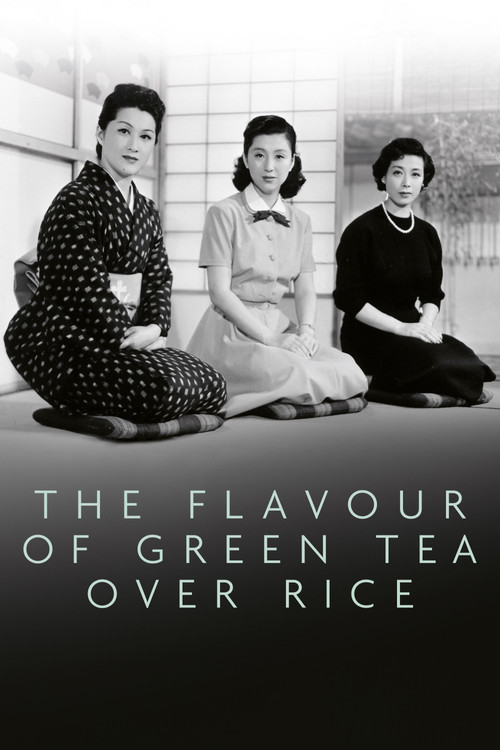
The Flavor of Green Tea Over Rice 1952
Set against the quiet elegance of post-war Tokyo, "The Flavor of Green Tea Over Rice (1952)" weaves a tender yet profound tale of marital tension and reconciliation.
Director: Yasujirō Ozu
Cast
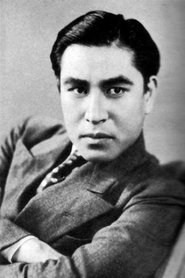
Shin Saburi
Mokichi Satake

Michiyo Kogure
Taeko Satake
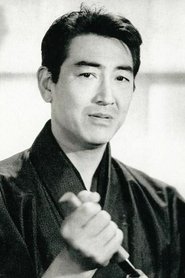
Koji Tsuruta
Noboru Okada

Chikage Awashima
Aya Amamiya

Keiko Tsushima
Setsuko Yamauchi
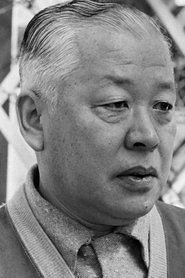
Eijirō Yanagi
Yamauchi
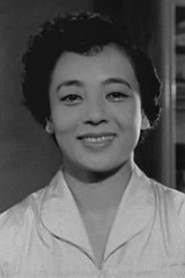
Kuniko Miyake
Chizu Yamauchi

Kōji Shitara
Koji Yamauchi

Chishū Ryū
Sadao Hirayama

Yūko Mochizuki
Shige
Frequently Asked Questions
What is The Flavor of Green Tea Over Rice (1952) about?
The film follows the tumultuous relationship between a sophisticated Tokyo woman and her down-to-earth husband, whose arranged marriage faces a major crisis. Their journey explores themes of societal pressure, personal growth, and the quiet strength of love as they rediscover their connection through shared simplicity.
Who directed The Flavor of Green Tea Over Rice?
Yasujirō Ozu, a legendary Japanese filmmaker renowned for his minimalist storytelling and deep emotional resonance in films like "Tokyo Story" and "Late Spring."
Who stars in The Flavor of Green Tea Over Rice?
The film features Shin Saburi, Michiyo Kogure, Koji Tsuruta, Chikage Awashima, and Keiko Tsushima in its principal roles.
Is The Flavor of Green Tea Over Rice (1952) worth watching?
Absolutely, especially for fans of classic cinema and Ozu's signature style. With its subtle performances and poignant themes, it offers a deeply human perspective on marriage and resilience. While unrated on IMDb, its place in cinematic history speaks volumes.
How long is The Flavor of Green Tea Over Rice?
The film runs for 116 minutes, a perfect length for its contemplative pace.
🎥 Trailer
The Flavor of Green Tea Over Rice (1952): A Subtle Masterpiece of Marital Resilience — Full Movie Info
Set against the quiet elegance of post-war Tokyo, "The Flavor of Green Tea Over Rice (1952)" weaves a tender yet profound tale of marital tension and reconciliation. Directed by the masterful Yasujirō Ozu, this subtle drama explores the stark contrast between tradition and modernity through the story of a high-society woman and her grounded husband. Their marriage, tested by societal expectations and personal frustrations, unfolds with quiet intensity as they navigate a crisis that reveals the depth of their bond. With its understated performances and contemplative pacing, the film captures the bittersweet beauty of everyday life and the resilience of love.
Ozu's signature style shines through in this intimate portrait of domestic life, where small gestures and unspoken emotions carry immense weight. The film's restrained atmosphere contrasts the bustling city outside with the serene, reflective moments shared between the couple. Through themes of patience, understanding, and the quiet strength of relationships, "The Flavor of Green Tea Over Rice" offers a timeless reflection on the complexities of marriage and the healing power of shared simplicity.