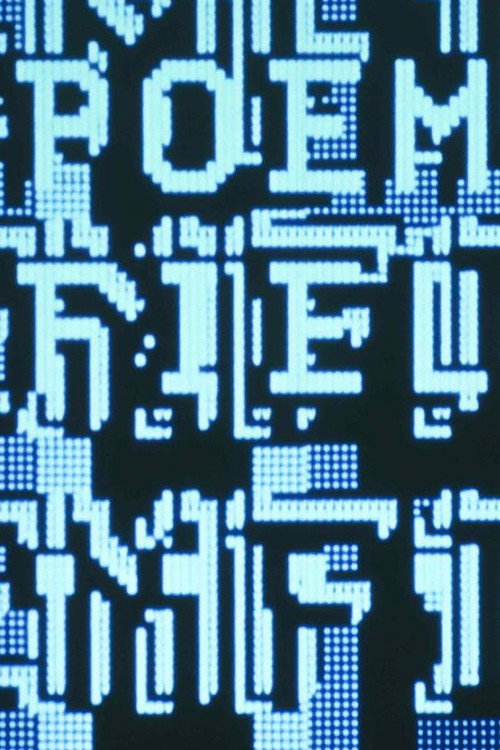
Poem Field No. 1 1967
Stan VanDerBeek's *Poem Field No. 1 (1967)* is a hypnotic five-minute animation that transforms words into vibrant, pulsating abstractions.
Director: Stan VanDerBeek
Frequently Asked Questions
What is Poem Field No. 1 (1967) about?
*Poem Field No. 1* is a five-minute experimental animation where text fragments and words evolve into swirling patterns of color and light. It's not a traditional narrative but a hypnotic visual journey that explores the boundaries between language, abstraction, and technology.
Who directed Poem Field No. 1?
The film was directed by Stan VanDerBeek, a visionary artist known for blending animation, technology, and avant-garde storytelling.
Who stars in Poem Field No. 1?
Director information is not available for the cast of *Poem Field No. 1*.
Is Poem Field No. 1 (1967) worth watching?
If you appreciate experimental animation and psychedelic visuals, *Poem Field No. 1* is absolutely worth watching. Its short runtime and striking aesthetic make it a unique piece of 1960s avant-garde cinema, though it may not appeal to those seeking traditional storytelling.
How long is Poem Field No. 1?
The runtime of *Poem Field No. 1* is 5 minutes.
About Poem Field No. 1 (1967) — A Psychedelic Animation Classic by Stan VanDerBeek
Stan VanDerBeek's *Poem Field No. 1 (1967)* is a hypnotic five-minute animation that transforms words into vibrant, pulsating abstractions. The film strips language down to its raw, visual essence, where sentences fracture into swirling grids of color and text morphs into chaotic yet mesmerizing patterns. Neon grids explode into pixelated storms, morphing into spirals, mandalas, and even playful Pac-Man-like shapes, all drenched in throbbing hues of blue, pink, yellow, and green. The result is less a story and more an immersive sensory experience, where rhythm and visual texture take center stage over narrative. For fans of experimental cinema, this short film is a dazzling dive into the intersection of technology and art, where even the smallest fragments of text dissolve into pure, hypnotic motion.
A product of 1960s avant-garde experimentation, *Poem Field No. 1* feels like a time capsule of digital art before the digital age. VanDerBeek's work here is less about storytelling and more about evoking emotion through pure visual energy, blending psychedelic patterns with a sense of playful chaos. The film's frenetic pace and kaleidoscopic colors create an atmosphere that's both nostalgic and futuristic, making it a standout piece in the director's pioneering oeuvre.