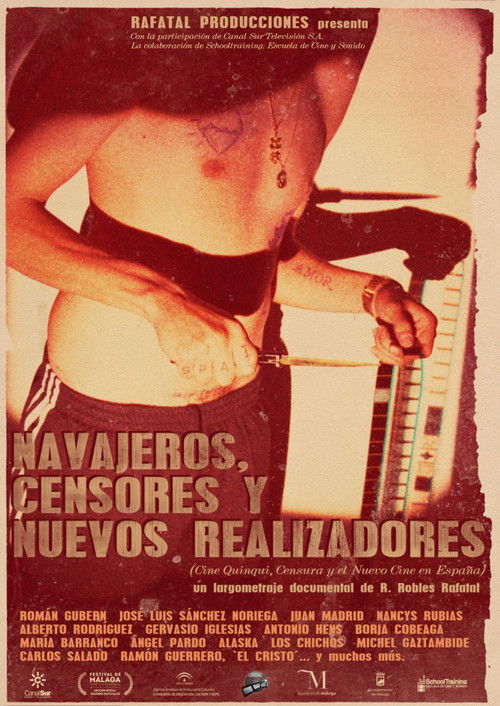
Navajeros, censores y nuevos realizadores 2018
In the pivotal year of 1978, Spain stood at the crossroads of democracy following decades of dictatorship, a time when the nation's cinematic landscape underwent a radical transformation. *Navajeros, censores y nuevos realizadores (2018)* directed by Rafael R.
Director: Rafael R. Rafatal
Cast


Frequently Asked Questions
What is Navajeros, censores y nuevos realizadores (2018) about?
This documentary examines the rise of *cine quinqui*, a bold Spanish film genre that emerged in 1978. It highlights how these controversial movies, once censored, became a cultural phenomenon by portraying youth delinquency in a newly democratic Spain.
Who directed Navajeros, censores y nuevos realizadores?
The film was directed by Rafael R. Rafatal, a filmmaker known for his work in Spanish cinema.
Who stars in Navajeros, censores y nuevos realizadores?
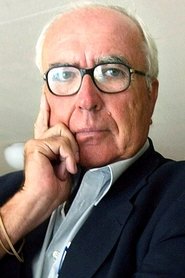
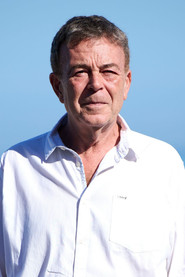
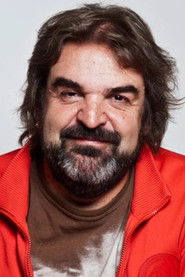
The documentary features insights from Román Gubern, Alaska, Jean Claude Seguin, Juan Madrid, and María Barranco among other key figures.
Is Navajeros, censores y nuevos realizadores (2018) worth watching?
For fans of documentary films and Spanish cinema, this 2018 release offers a fascinating look at a pivotal moment in film history. Its focus on censorship, rebellion, and artistic freedom makes it a compelling watch despite its niche appeal.
How long is Navajeros, censores y nuevos realizadores?
The runtime for *Navajeros, censores y nuevos realizadores* is 80 minutes.
About Navajeros, censores y nuevos realizadores (2018) — The Rebel Films That Shook Post-Franco Spain
In the pivotal year of 1978, Spain stood at the crossroads of democracy following decades of dictatorship, a time when the nation's cinematic landscape underwent a radical transformation. *Navajeros, censores y nuevos realizadores (2018)* directed by Rafael R. Rafatal, dives deep into the emergence of *cine quinqui*—a gritty, rebellious genre that exploded in popularity by depicting the raw realities of youth crime and delinquency. These films, once forbidden under censorship, became unexpected commercial hits, reflecting the societal tensions of a country emerging from oppression.
Through interviews with key figures like Román Gubern, Alaska, and María Barranco, the documentary explores how a generation of filmmakers seized the moment to challenge artistic boundaries while capturing the zeitgeist of post-Franco Spain. The atmosphere is electric, blending nostalgia with critical reflection, as the film dissects the cultural impact of these controversial yet vital movies.