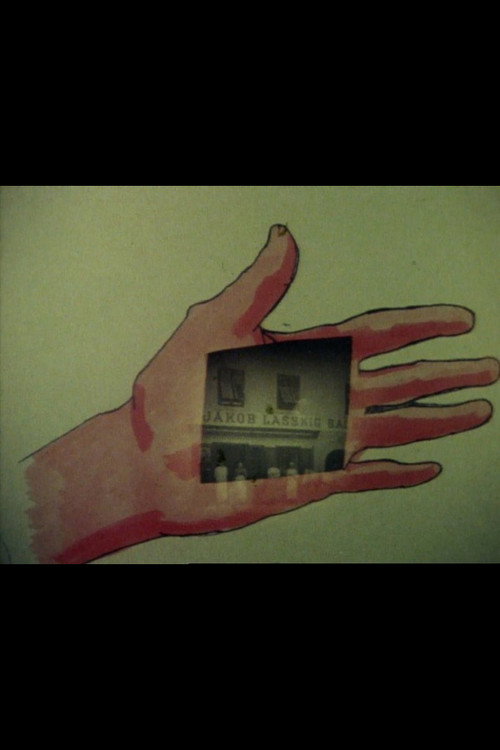
Palmistry 1974
Palmistry (1974), the biting animated short from visionary Austrian filmmaker Maria Lassnig, blends raw social commentary with surreal visual storytelling in just ten minutes.
Director: Maria Lassnig
Cast
Frequently Asked Questions
What is Palmistry (1974) about?
This animated short explores three intertwined moments: a woman resisting societal pressure to change for men, a nervous first meeting between two people, and a visit to a fortune-teller that skewers both pseudoscience and superstition. Director Maria Lassnig uses surreal imagery to critique the rituals and expectations that shape our lives.
Who directed Palmistry?
Palmistry was directed by the groundbreaking Austrian artist and filmmaker Maria Lassnig, known for her pioneering work in animation and her fearless exploration of the human psyche.
Who stars in Palmistry?
The film features Dona Craig and George Heyward in its central roles, bringing Lassnig's bold characters to life with striking performances.
Is Palmistry (1974) worth watching?
Though unrated on IMDb, Palmistry is a standout work of 1970s animation, offering a unique blend of social commentary and surreal visuals. Its concise runtime and provocative themes make it a thought-provoking watch for fans of avant-garde cinema and feminist art.
How long is Palmistry?
Palmistry runs for 10 minutes.
About Palmistry (1974) — Maria Lassnig's sharp animated critique of beauty and superstition
Palmistry (1974), the biting animated short from visionary Austrian filmmaker Maria Lassnig, blends raw social commentary with surreal visual storytelling in just ten minutes. The film follows three vignettes that collide personal longing with societal expectations: a young woman's defiant anthem against conforming to male-dominated beauty standards, a tender yet awkward first encounter between two people, and a darkly comic visit to a fortune-teller that exposes the absurdity of both pseudoscience and superstition. Lassnig's unfiltered animation style and bold thematic choices create an atmosphere that is equal parts provocative, poignant, and playful, challenging viewers to confront the ways we internalize external pressures.
This avant-garde gem stands as a testament to Lassnig's fearless artistic voice, fusing feminist themes with the surreal to critique the rituals we live by. With its sharp dialogue, striking imagery, and emotional depth, Palmistry (1974) offers more than just entertainment—it invites reflection on identity, desire, and the stories we're told about our futures.