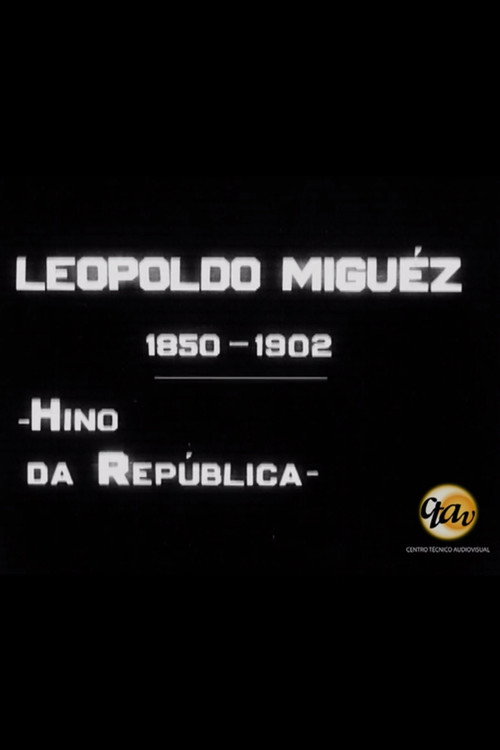
Leopoldo Miguez 1946
Humberto Mauro's short 1946 documentary Leopoldo Miguez offers a vibrant tribute to the Brazilian composer, blending archival music with cinematic artistry.
Director: Humberto Mauro
Frequently Asked Questions
What is Leopoldo Miguez (1946) about?
This short documentary pays homage to Leopoldo Miguez, a key figure in Brazilian classical music, through performances of his compositions and archival visuals. It blends biography with art, highlighting his contributions to the nation's cultural fabric.
Who directed Leopoldo Miguez?
Humberto Mauro, a pioneer of Brazilian cinema whose work often explored national identity and folklore, directed Leopoldo Miguez.
Who stars in Leopoldo Miguez?
Leopoldo Miguez features sung performances of his compositions and archival footage; specific cast details are not listed for this documentary.
Is Leopoldo Miguez (1946) worth watching?
At just 13 minutes, this documentary is a delightful discovery for classical music lovers and fans of early Brazilian cinema. While it may not have mainstream appeal, its historical value and artistic presentation make it a unique watch.
How long is Leopoldo Miguez?
Leopoldo Miguez runs for 13 minutes.
About Leopoldo Miguez (1946) — Short Documentary Celebrating a Classical Music Pioneer
Humberto Mauro's short 1946 documentary Leopoldo Miguez offers a vibrant tribute to the Brazilian composer, blending archival music with cinematic artistry. Through sung fragments of Miguez's most celebrated works and illustrated passages, the film captures the soul of late 19th-century Brazilian classical music. The director's signature visual style lends warmth and nostalgia, immersing viewers in a bygone era where melody and history intertwine seamlessly.
This 13-minute jewel shines a spotlight on Miguez's legacy, weaving together biographical snippets with the emotional depth of his compositions. The atmosphere is intimate yet grand, reflecting the influence of a figure who helped shape Brazil's musical identity. Whether you're a classical music enthusiast or a fan of early cinema, Leopoldo Miguez (1946) delivers a concise yet powerful glimpse into a pivotal chapter of cultural heritage.