
To Be Twenty 1978
In Fernando Di Leo's sharp 1970s comedy, two spirited women in their early twenties—Lia and Tina—embark on a rebellious journey from the provinces to Rome, chasing freedom and self-discovery.
Director: Fernando Di Leo
Cast

Gloria Guida
Lia

Lilli Carati
Tina

Ray Lovelock
Rico
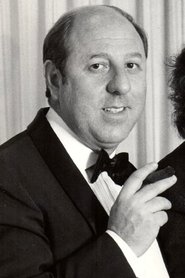
Vincenzo Crocitti
Riccetto

Giorgio Bracardi
Commissario Maresciallo Zambo

Leopoldo Mastelloni
Arguinas
Roberto Reale
Leader of Delinquents

Serena Bennato
Lesbian car driver

Daniele Vargas
Affatati

Vittorio Caprioli
Nazariota
Frequently Asked Questions
What is To Be Twenty (1978) about?
Two young women hitchhike to Rome in search of a utopian commune, only to find themselves entangled in prostitution, police trouble, and a dangerous gang. Their idealism crumbles as they navigate the harsh realities of the city.
Who directed To Be Twenty?
Fernando Di Leo, the Italian filmmaker known for his bold and socially conscious cinema, directed *To Be Twenty*.
Who stars in To Be Twenty?
The film stars Gloria Guida and Lilli Carati as the two lead women, joined by Ray Lovelock, Vincenzo Crocitti, and Leopoldo Mastelloni in pivotal roles.
Is To Be Twenty (1978) worth watching?
If you enjoy 1970s Italian cinema with a mix of social grit and youthful rebellion, *To Be Twenty* delivers a raw and engaging experience. Its blend of comedy and drama, along with standout performances, makes it a cult watch despite its unrated status.
How long is To Be Twenty?
The film runs for 94 minutes, offering a tight and energetic narrative.
About To Be Twenty (1978) — When chasing freedom leads to a crash course in survival
In Fernando Di Leo's sharp 1970s comedy, two spirited women in their early twenties—Lia and Tina—embark on a rebellious journey from the provinces to Rome, chasing freedom and self-discovery. Their plan to join a utopian commune quickly unravels when reality kicks in, steering them into a world of unexpected challenges, including street hustling and run-ins with both the law and a ruthless gang. This raucous tale blends youthful defiance with the gritty underbelly of urban life, painting a vivid portrait of late-1970s Italy where idealism clashes with hardship.
Starring Gloria Guida and Lilli Carati at the height of their cinematic charm, *To Be Twenty (1978)* is a provocative mix of youthful energy and social commentary. Di Leo's direction balances satire with raw realism, capturing the turbulence of a generation caught between dreams and disillusionment. The film's tone oscillates between playful and tense, reflecting the unpredictability of its protagonists' misadventures.