
A Night in Paradise 1932
A Night in Paradise (1932) whisks viewers into the glittering yet politically charged atmosphere of Weimar-era Germany, where an enchanting Cinderella-like tale unfolds against a backdrop of jazz-age frivolity and social upheaval.
Director: Karel Lamač
Cast



Frequently Asked Questions
What is A Night in Paradise (1932) about?
A charming Cinderella-inspired tale set in 1930s Germany, where an ordinary woman's night of mischief and music unexpectedly catapults her into high society. The film follows her journey through glamorous balls, romantic entanglements, and a series of delightful misunderstandings.
Who directed A Night in Paradise?
Karel Lamač directed A Night in Paradise. Known for his work in European cinema during the 1920s and 1930s, Lamač crafted films that balanced humor with social commentary.
Who stars in A Night in Paradise?
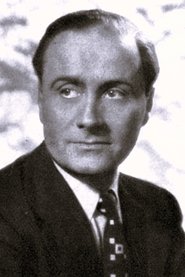
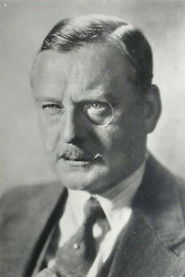
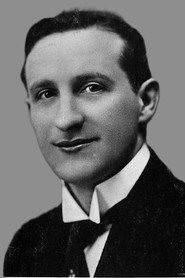
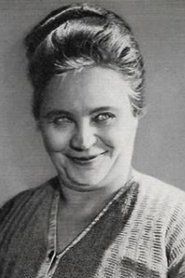
The film features Anny Ondra, Hermann Thimig, Ralph Arthur Roberts, Grete Natzler, and Oscar Sabo in its leading roles.
Is A Night in Paradise (1932) worth watching?
If you enjoy classic musical comedies with a dash of Weimar-era charm, A Night in Paradise is absolutely worth a watch. Its lively soundtrack and lighthearted plot make it a pleasant escape, though it's more of a historical curiosity than a modern masterpiece. Fans of early cinema or musicals will appreciate its nostalgic appeal.
How long is A Night in Paradise?
A Night in Paradise runs for 90 minutes.
About A Night in Paradise (1932) — Weimar-Era Musical Comedy with Cinderella Twists
A Night in Paradise (1932) whisks viewers into the glittering yet politically charged atmosphere of Weimar-era Germany, where an enchanting Cinderella-like tale unfolds against a backdrop of jazz-age frivolity and social upheaval. Directed by the prolific Karel Lamač, this musical comedy blends romance, mistaken identities, and lighthearted mischief as a humble protagonist finds herself unexpectedly swept into high society after a magical night out. With Anny Ondra's radiant charm and Hermann Thimig's playful antics leading the ensemble, the film exudes the effervescent spirit of the early 1930s—a time when cinema mirrored both the gleam and the cracks in a changing world.
Lamač's clever pacing and the film's snappy musical numbers create a buoyant rhythm, while themes of fate, transformation, and the fleeting nature of luck resonate beneath the surface humor. Though overshadowed by historical events, A Night in Paradise stands as a vibrant snapshot of an era where laughter and spectacle briefly triumphed over looming shadows. For fans of classic comedies or those curious about pre-Nazi German cinema, this charming film offers a delightful escape into the past.