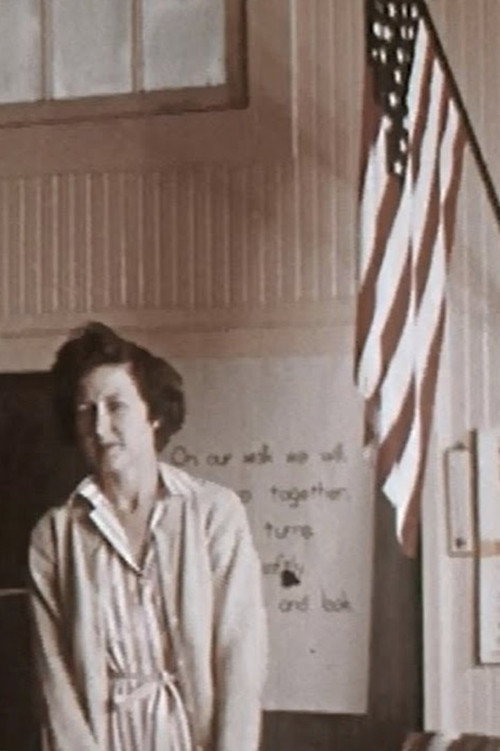
What It Means To Be An American 1952
Released in 1952, *What It Means To Be An American* is a concise 22-minute short film designed to instill patriotic pride in young viewers through sweeping montages of American life.
Frequently Asked Questions
What is What It Means To Be An American (1952) about?
This short film presents a celebratory montage of American life and achievements, narrated with patriotic fervor. It showcases landmarks, industries, and everyday scenes to convey what it meant to be an American in the 1950s.
Who directed What It Means To Be An American?
Director information is not available.
Who stars in What It Means To Be An American?
Unlike traditional features, this short has no credited cast, relying instead on archival footage and voiceover narration.
Is What It Means To Be An American (1952) worth watching?
Though unrated on IMDb, its historical value makes it an intriguing watch for fans of mid-century American culture. Its straightforward approach may feel dated, but it offers a unique snapshot of the era's ideals.
How long is What It Means To Be An American?
The runtime is 22 minutes.
About What It Means To Be An American (1952) — Patriotism as Seen Through a 22-Minute 1950s Short
Released in 1952, *What It Means To Be An American* is a concise 22-minute short film designed to instill patriotic pride in young viewers through sweeping montages of American life. The narrative unfolds through authoritative voiceover, blending stock footage of iconic landmarks, industrial might, and everyday citizens to craft a vivid tapestry of national identity. While its jingoistic tone reflects the post-war era's cultural priorities, the film's energetic pacing and selection of imagery offer a nostalgic glimpse into mid-century American ideals. Despite its brevity, it serves as a time capsule of mid-20th-century patriotism, making it a curiosity for students of film history and cultural studies.
*What It Means To Be An American (1952)* stands out not for its storytelling complexity but for its unabashed celebration of American progress and values. The short's compilation-style approach juxtaposes bustling factories with serene landscapes, reinforcing a narrative of unity and opportunity. Though lacking a traditional cast or director credit, its impact lies in the assembly of visuals and the narrator's fervent delivery, creating an immersive experience that's as much about atmosphere as it is about message. For those exploring America's cinematic past, it's a small but telling artifact worth revisiting.